
Radio-controlled hobbies have become a favourite pastime for people of all ages, offering excitement, creativity, and hands-on learning. Whether it’s racing cars, piloting planes, or navigating boats, the world of RC vehicles blends engineering with entertainment.
Families enjoy it as a shared activity, while enthusiasts see it as a way to refine skills and explore technology. The appeal lies in its accessibility: beginners can start small, while experienced hobbyists can push limits with advanced models.
Choosing Your First RC Experience
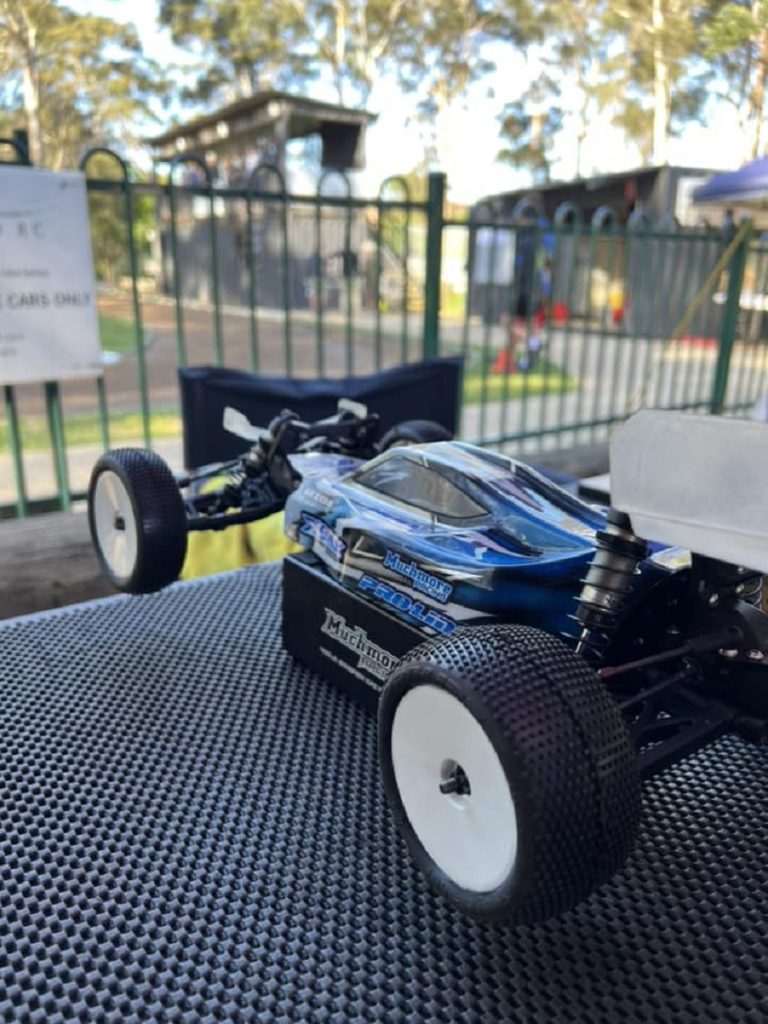
In your typical hobby RC shop, you’ll come across categories such as cars, boats, aircraft, and slot racing sets. Each offers a unique thrill: cars provide speed and control, boats deliver water-based challenges, and planes bring the exhilaration of flight.
Slot racing sets combine competition with precision, making them ideal for group play. For newcomers, starting with simpler models ensures a smoother learning curve. Exploring a hobby RC shop allows enthusiasts to see the breadth of options available, from entry-level kits to advanced builds.
Cars, Boats, or Planes… So Which Suits You Best?
RC models are designed with durability and realism in mind. Cars often feature suspension systems and rugged tyres for off-road use, while boats are built with hulls that handle different water conditions. Aircraft models incorporate lightweight materials like balsa wood or reinforced plastics to balance strength and agility. These design choices ensure that models withstand repeated use while delivering authentic performance.
Selecting the right category depends on personal interests and environment. RC cars are versatile, performing well on tracks, pavements, or dirt trails. Boats suit those with access to lakes or pools, providing a unique challenge in manoeuvring currents. Aircraft appeal to thrill-seekers who enjoy mastering take-offs, landings, and aerobatics. Slot racing sets are perfect for indoor fun, combining speed with strategy.
Considering age and skill level is crucial: younger hobbyists may prefer cars or slot sets, while older enthusiasts might gravitate toward planes or boats. Accessories such as spare batteries, chargers, and replacement parts further enhance the experience, ensuring models remain in peak condition.
Tips for Getting Started Smoothly
Before diving in, it’s wise to consider practical aspects. Availability of spare parts is essential, as even durable models require maintenance. Ease of assembly matters too; beginners benefit from kits that are straightforward to set up. Safety should never be overlooked, so choosing models appropriate for age and skill level reduces risks.
Investing in protective gear, such as goggles for aircraft flying or gloves for racing, adds an extra layer of security. Beginners are encouraged to start with slower, more stable models before progressing to advanced ones. This gradual approach builds confidence and prevents frustration.
As skills develop, enthusiasts often expand their collections. Upgrading to faster cars, larger boats, or more complex aircraft keeps the hobby fresh and challenging. Accessories like advanced controllers, high-capacity batteries, and specialised tools allow for fine-tuning performance.
Many hobbyists also enjoy customising their models, adding unique paint jobs or modifying components for better handling. Exploring different categories broadens experience, while joining local clubs fosters a connection with like-minded individuals.
Across Australia, RC clubs welcome newcomers and provide safe environments for racing and learning. RC hobbies also contribute to STEM learning, helping participants understand mechanics, electronics, and physics practically. The RC hobby is not static, it evolves with each new model, upgrade, and skill mastered.
Sustainability and Modern Innovations
Recent advances in RC technology, including hobby RC vehicles and other toys, have made the hobby more sustainable. Rechargeable lithium-polymer batteries reduce waste compared to disposable alternatives, while brushless motors improve efficiency and longevity. Many models now use lightweight composite materials that balance durability with environmental responsibility.
Enthusiasts are also exploring solar charging stations for outdoor use, making RC activities greener. These innovations ensure that the hobby remains future-focused, appealing to eco-conscious participants who want fun without compromising sustainability.
Skills You Gain Along the Way
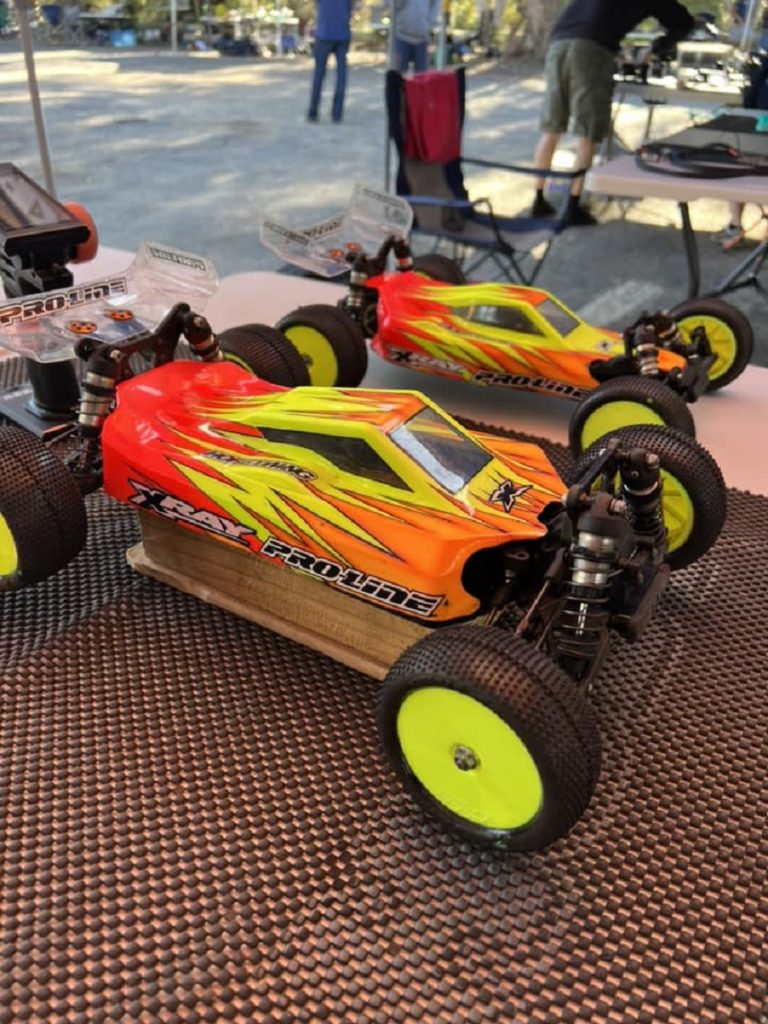
Beyond entertainment, RC hobbies build valuable skills. Operating vehicles teaches hand-eye coordination and spatial awareness. Maintaining models develops mechanical knowledge, while upgrading electronics introduces basic engineering concepts. Slot racing sets sharpen reflexes and strategic thinking, as players learn to balance speed with control.
For younger hobbyists, RC activities can spark interest in science and technology, laying the foundations for future careers in engineering or design. Adults benefit too, finding stress relief and mental stimulation in the precision required to master different models.
Why RC Hobbies Keep Growing
RC hobbies continue to thrive because they combine fun, learning, and community. They encourage problem-solving, mechanical understanding, and creativity, while offering pure enjoyment. From casual family play to competitive racing, the possibilities are endless. With options spanning cars, boats, planes, and slot racing sets, there’s something for everyone.
The appeal lies in its adaptability: beginners can start simple, while seasoned hobbyists can pursue advanced challenges. Ultimately, RC hobbies remain popular because they deliver lasting excitement and opportunities for growth, making them a pastime that never loses its spark.