
A chicken coop is much more than a place for chickens to sleep. It provides shelter, protection from predators and a comfortable environment that supports the health and wellbeing of your flock. With so many designs and sizes available, finding the right option can feel overwhelming at first. Understanding the key features to look for can help narrow down the choices and make the buying process much easier.
Choose the Right Size
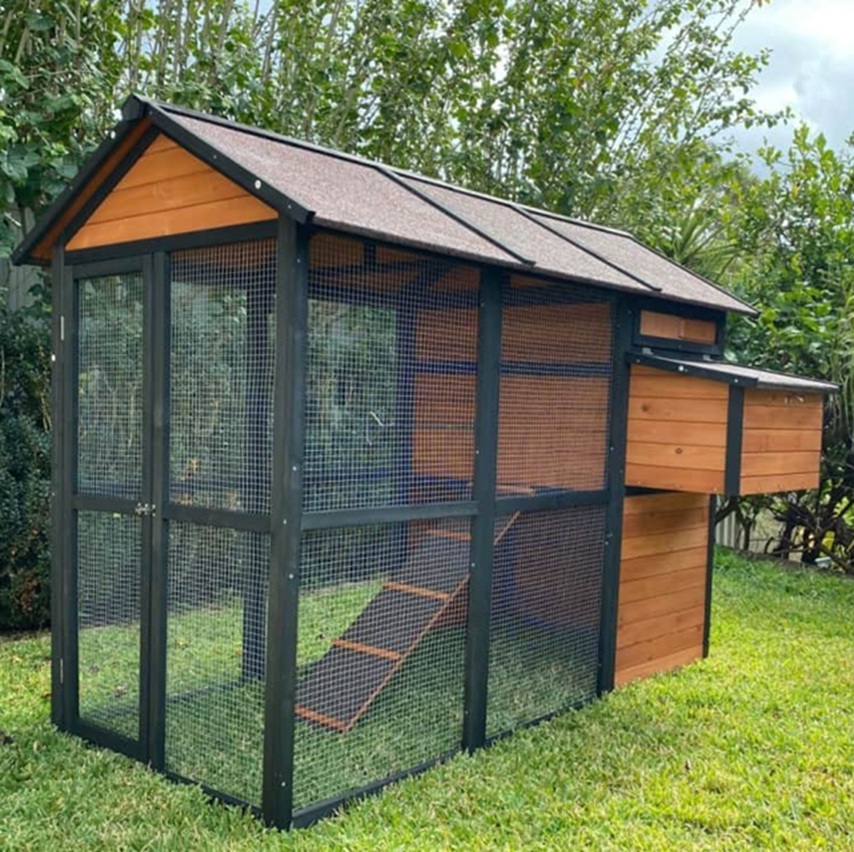
The best thing to start with is the coop’s size. If it’s too small for the flock, it’ll be overcrowded and can cause stress and hygiene issues. But if it’s too big, it’ll take up unnecessary space and give you a large area to maintain. So, when you’re browsing for comfortable houses for chicken, start with the size.
Take a moment to answer these questions: How many chickens do you have at the moment, and are you planning on expanding that number in the future? It’s not uncommon for people to start with just a few hens and want to add more later on. If you’re thinking of doing that, get a slightly larger coop than you currently need.
On the inside, chickens need to have enough room to move comfortably, access nesting boxes without competition and perch at night. Also, make sure they have enough outdoor space so they can run, scratch, peck and just be themselves. A cramped environment can lead to feather pecking and unnecessary stress among birds.
Take a look at the area where you plan to place the coop. Grab a measuring tape and see how much space you have available. Make sure you leave enough room around the coop for easy access when you’re cleaning and collecting eggs. Taking measurements prevents unpleasant surprises when it’s time for installation.
Construction and Materials
The materials the coop is made of will have a significant impact on its lifespan and performance. If it’s well-built, it’ll last for years to come. If it’s poorly constructed, you’ll need to do frequent repairs or even replace the whole thing. Timber has always been the number one choice. It has a traditional look and can provide excellent insulation.
Always look for strong and durable wood that won’t fall apart under exposure to elements and will resist warping. Metal components are great for added stability, strength and durability. The most common metal elements are roofing, hardware and frames. There’s a big difference when the coop has high-quality hinges, latches and fasteners.
The roof is another important consideration. A weather-resistant roof helps protect chickens from rain, strong sun and changing conditions throughout the year. When made right, it’ll prevent water from entering the coop and keep the bedding dry. This reduces the chances of mould and unpleasant smells.
When buying houses for chicken, take a look at the overall workmanship. The house should have secure joints, smooth finishes and a strong construction. Make sure you invest in high-quality materials. This is worth it in the long run.
Security Features
It’s very important to protect the chickens from predators. It’s one of the biggest responsibilities for you as a flock owner. Even suburban areas can attract animals that pose a threat to poultry, making security features an essential part of any chicken coop.
The first thing to look for is strong wire mesh. It has to be sturdy enough to resist damage and be securely attached to the frame. If it’s not attached properly, predators can easily gain access. All doors and access points should close securely with quality latches. This is important to have, especially during the night when chickens are most vulnerable.
Some chicken coops come with enclosed runs, which allow chickens to move around freely while still staying safe. Raised coops are also an option. Elevating the sleeping area helps reduce moisture build-up and makes it more difficult for some predators to reach the birds.
Ventilation and Comfort
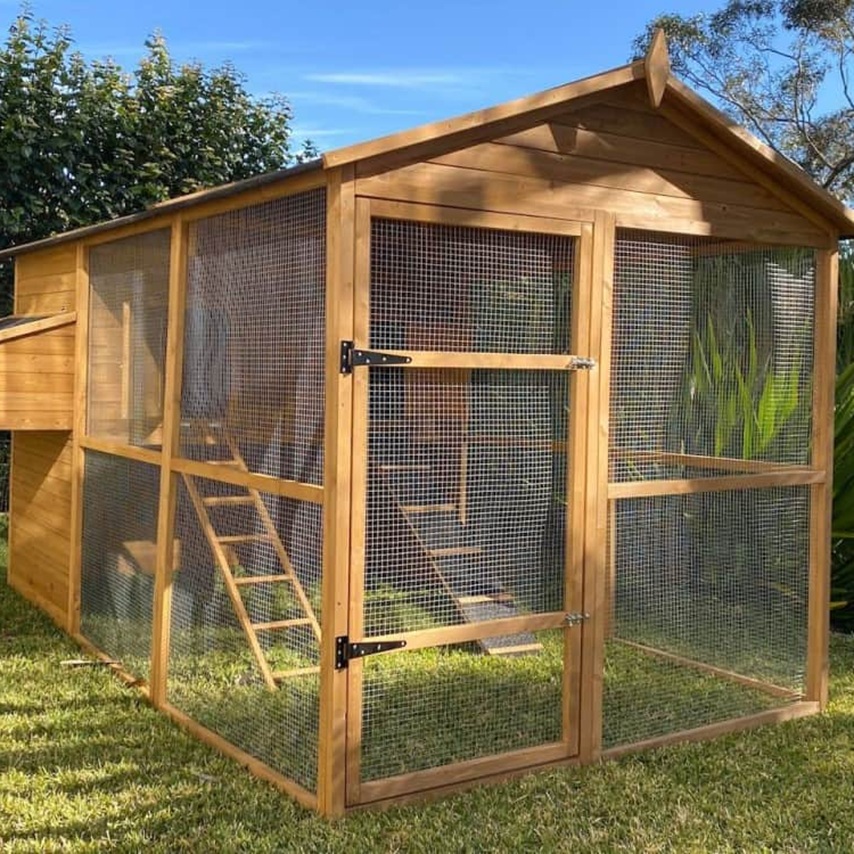
When the chickens are more comfortable, they’re happier and healthier. Having good airflow is crucial. Proper ventilation gets rid of moisture, heat and unpleasant odours. Without good airflow, the coop will become damp and uncomfortable, increasing the risk of respiratory problems and other potential health concerns.
Perches are another important feature. Chickens naturally prefer to roost off the ground at night, so sturdy roosting bars are a must in the coop design. Nesting boxes are equally valuable. They provide hens with a quiet and comfortable place to lay eggs.
Don’t forget about shade and weather protection. The weather in Australia can vary a lot between seasons. Because of this, choosing a chicken coop with a design that protects birds from rain, wind and intense sun will improve their wellbeing.
Cleaning and Maintenance
Keeping the coop clean is crucial for the flock’s health. If designed right, the coop will make cleaning and maintenance much simpler and less time-consuming. With larger access doors, you’ll be able to reach the inside and clean it easily. Replacing bedding, removing waste and inspecting for damage will no longer be a Herculean task.
You can find chicken coops with removable trays that collect droppings. They can be emptied quickly, which reduces cleaning time and significantly improves hygiene. Smooth surfaces and practical layouts also make maintenance easier. Having tight corners and difficult-to-reach spaces will allow dirt and debris to accumulate and create extra cleaning work.
In Summary
Choosing the right chicken coop is more than just picking a design that looks good. Size, construction quality, security, ventilation and ease of maintenance are all factors that influence the comfort and safety of your flock. Taking the time to evaluate these factors can help ensure your chickens have a secure and healthy place to live.