
Do you know what really sets induction cookware apart from the pots and pans you already own? Apart from their appearance, induction pans stand out in how they heat, how they save energy, and how they make cooking feel easier and more precise. Once you understand the difference, choosing the right cookware for your kitchen becomes a whole lot easier.
What Makes Induction Cookware Different?
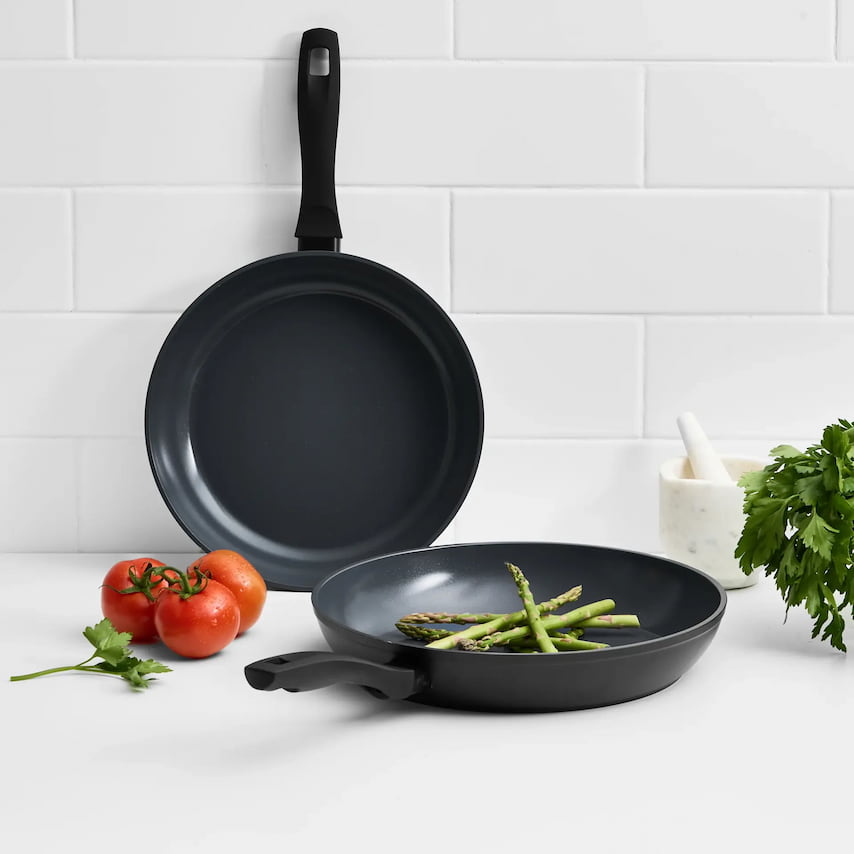
Cooking feels less like a chore and more like an art when you’ve got the right cookware in your hands. Choosing between traditional and induction cookware can even change the way your meals taste. They’re both great in different ways, but understanding what makes them different can help you choose the one that’s a better fit for your kitchen.
How Induction Cooking Works
Unlike gas and electric stoves, these cooktops don’t heat the pan from underneath. Instead, they use electromagnetic induction. Today, you can also find efficient induction frying pans that work with these stoves. The coil inside the cooktop creates a magnetic field that interacts with them. This produces heat directly in the pan, so the food cooks faster and more evenly.
Traditional Cookware Basics
The traditional cookware works with gas, electric, or ceramic stoves. It comes in many materials, including stainless steel, aluminium, copper, or non‑stick. It’s available everywhere as it’s more affordable and convenient for regular stovetops. You can use it for almost any cooking style, from frying to roasting.
Comparing the Two
Induction cookware is specialised, requiring ferromagnetic materials, while regular cookware offers more variety. Induction is faster and more energy‑efficient, but regular cookware is more forgiving and budget‑friendly.
When you’re choosing, just think about how much speed, efficiency, and safety matter to you. If that’s exactly what you need, induction cooking pans are worth investing in. But if you value flexibility and cost, regular cookware may suit you better. Either way, the right choice depends on your cooking style.
Understanding Induction Frying Pans
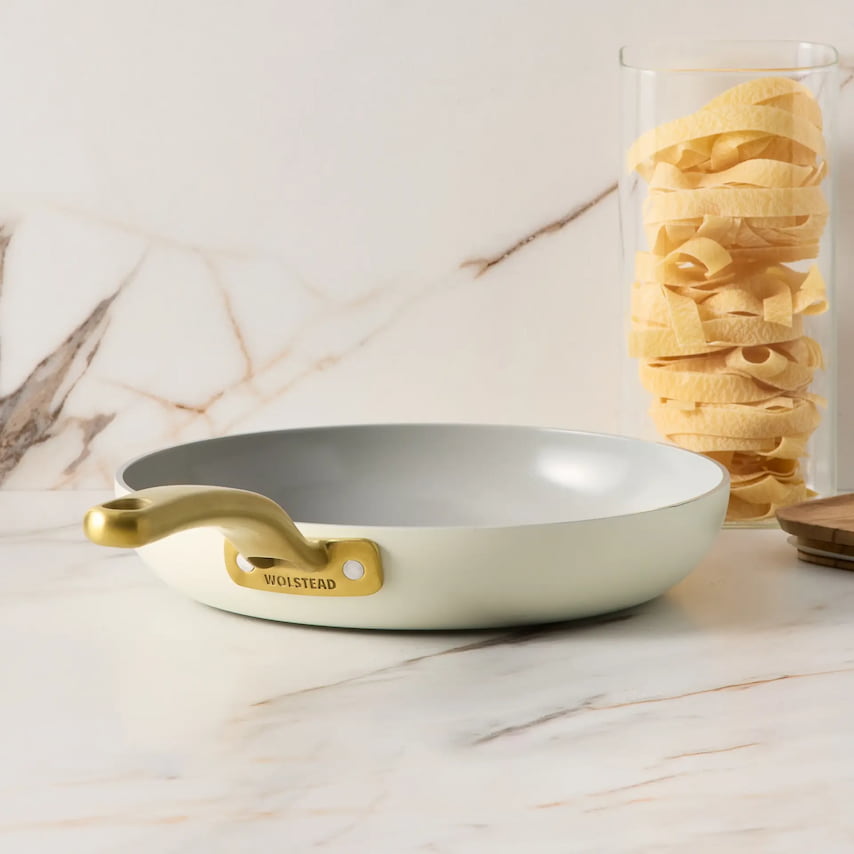
When you’re cooking, the pans you use should match your stove for a meal that tastes right each time. Induction frying pans work differently from regular pans.
What Really is an Induction Frying Pan?
An induction frying pan is built to react to the magnetic field of an induction cooktop. Instead of heating the pan’s bottom surface and cooking the food that way, induction pans become the heat source. This means constant and precise temperature control and overall energy efficiency.
Materials That Work
If you decide to get an induction stove, keep in mind that you’ll probably need to change up some of your cookware. These stoves work only with induction pans made out of magnetic metals. Common choices include:
- Cast iron: As a popular option, cast iron pans, although heavy, are great at holding heat and perfect for searing or slow cooking.
- Carbon steel: These are lighter, quicker to heat, and develop non‑stick qualities over time.
- Magnetic stainless steel: For a more durable, easy-to-clean option for versatile everyday cooking, opt for these.
Non‑stick pans can also work, but only if they have a magnetic base. Look for labels that say “induction‑compatible” as a guarantee that the pan works with these stoves.
Layered Construction
Some pans combine materials for better performance. For instance, an aluminium core with a stainless-steel base gives you steady heat and lasting strength. A copper core wrapped in magnetic stainless steel brings quick heating and induction compatibility.
You can also choose tri‑ply designs, where stainless steel, aluminium, and magnetic layers come together in one pan. Each layer adds its own benefit, working as a team to make cooking easier and more enjoyable.
Advantages and Limitations of Induction Cookware
Induction frying pans are becoming the new obsession for today’s modern kitchens. They have many benefits, but as with anything else, they also have a few downsides.
Benefits of Induction Frypans
The perks of these types of frypans are obvious in everyday cooking. Here’s what they bring to your kitchen:
- Faster heating: Your frying pan and induction cooker heat up in seconds, so you’ll spend less time preparing food.
- Energy efficiency: The heat goes straight into the pan, which keeps your kitchen cooler and your bills lower.
- Precise control: You get to set the exact temperature you need.
- Even cooking: With these, you won’t get random hot spots, and your food will cook evenly.
- Cleaner kitchen: Less excess heat means a more comfortable space, especially in hot weather.
- Modern convenience: These pans look sleek and respond quickly.
Disadvantages of Induction Frying Pans
The main drawback is compatibility. If you just got your stove, you’ll probably need to throw out some of your old pans, as you’ll need pans made of magnetic materials like cast iron or stainless steel. If your current set isn’t induction‑ready, you may need to buy new ones.
Induction pans ask for the right materials and a bit of investment, but the payoff is a kitchen that feels cooler, faster, and more fun to cook in.
Think of induction pans as these little upgrades that make everyday meals better. They bring speed, control, and comfort right into your kitchen. Once you try them, cooking feels less like a task and more like something you genuinely enjoy doing.