
Driving conditions today are rarely consistent. One moment, the road is well-lit and clear, the next, it can shift into glare, fog, rain, or poorly illuminated streets. In these mixed conditions, lighting becomes a core part of safe and comfortable driving rather than just a basic vehicle feature.
Many standard factory setups are designed to meet minimum requirements, which often means they perform adequately in ideal conditions but struggle when visibility drops.
Upgrading lighting has become a practical choice for drivers who want improved road awareness without making major changes to their vehicle. Improved illumination can support quicker reaction times, reduce fatigue on long night drives, and help maintain clearer focus on road edges, signs, and obstacles. As automotive lighting technology continues to evolve, more efficient and adaptable solutions are becoming increasingly widespread across everyday vehicles.
Upgrading Your Setup

LED car bulbs are widely used as a modern replacement for older halogen-based systems, offering a noticeable improvement in brightness and efficiency. Instead of relying on traditional filaments, they use light-emitting diodes that produce a more focused and controlled beam. This generally results in clearer road coverage and better visibility at longer distances.
One of the main advantages of this type of lighting is energy efficiency. Less power is required to produce stronger output, which reduces strain on the vehicle’s electrical system. Another important factor is durability, as these lighting solutions tend to last significantly longer than conventional options, making them a more stable long-term choice.
Heat control also plays a role, helping maintain consistent performance during extended use. For many drivers, the appeal lies in the simplicity of upgrading without needing major mechanical changes, as compatibility is often broad across different vehicle types and lighting housings.
That’s why choosing the right LED car bulbs setup can reduce strain on the eyes and improve how clearly road edges and hazards are seen after dark.
Some modern lighting units also incorporate improved sealing designs that help protect internal components from dust and moisture exposure. This added resistance can be especially useful in regions with frequent rain, rough roads, or temperature fluctuations.
Better sealing contributes to more stable long-term operation by reducing the risk of internal corrosion or connection issues over time, which helps maintain performance consistency across varying environmental conditions.
What to Look For When Evaluating
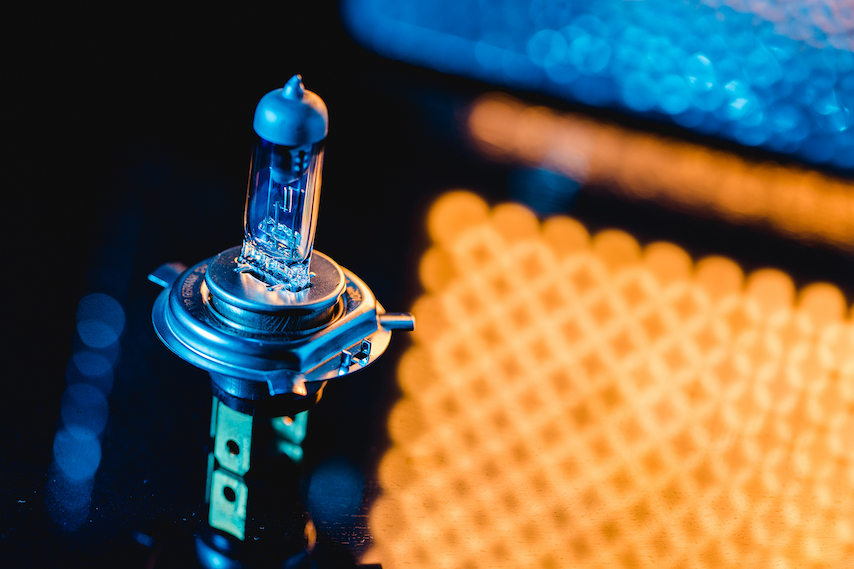
Choosing the right LED bulbs for cars involves more than just brightness. Several performance factors determine how effective a solution will be in real driving conditions. Beam quality, colour temperature, and distribution all influence how well the road is illuminated and how comfortable it feels to drive at night.
Key considerations include:
- Assess the beam pattern of the LED car bulb to ensure light is directed properly without unnecessary glare
- Consider colour temperature for balanced visibility in both dry and wet conditions
- Evaluate durability and heat control for long-term consistent performance
- Check compatibility with the vehicle’s existing housing and electrical setup
- Balance brightness with practicality to avoid over- or under-illumination
Each of these factors contributes to overall driving comfort and safety. A well-balanced setup does not simply produce more light, but distributes it in a way that improves clarity without distracting other road users.
Choosing and Using the Right Setup for Your Style
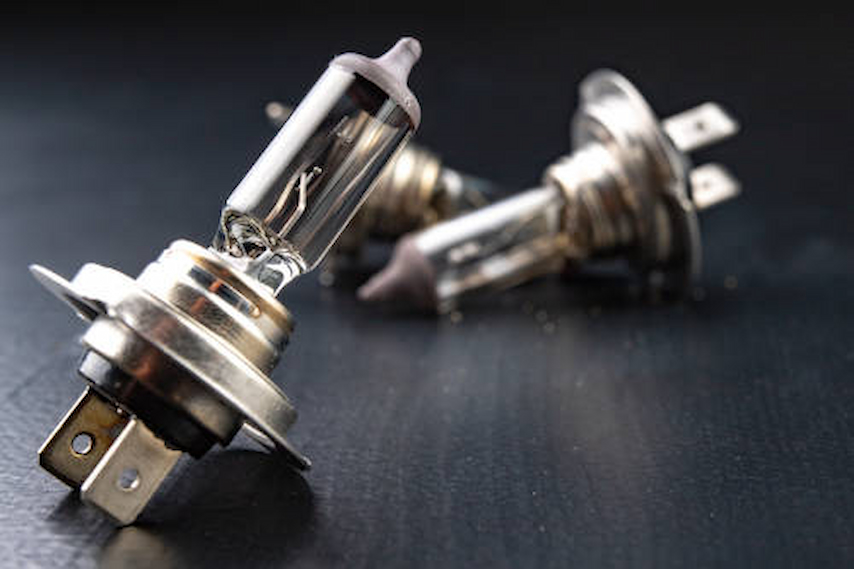
Different driving environments require different lighting priorities. Urban driving often benefits from controlled brightness that reduces glare from reflective surfaces, while rural or highway driving typically requires stronger distance visibility. Weather conditions also play a role, as rain or fog can affect how light is scattered across the road.
When selecting and using lighting options:
- Evaluate daily driving routes to match lighting performance with real conditions
- Prioritise consistent output over extreme brightness for safer night driving
- Ensure correct alignment of the LED car bulbs to avoid reducing visibility for oncoming traffic
- Verify installation fitment before making a final selection
- Maintain clean lenses and fittings for optimal long-term performance
Installation is generally straightforward for many modern lighting solutions, often requiring minimal adjustment. However, proper fitting remains important, as incorrect positioning can reduce effectiveness and create unnecessary glare. Small alignment adjustments can make a significant difference in how well the road is illuminated.
Beyond basic selection, it is also worth considering how lighting interacts with other vehicle systems. Electrical stability, housing design, and heat dissipation all contribute to long-term reliability.
A balanced approach ensures the lighting upgrade performs consistently rather than just appearing brighter on paper. In many cases, the best choice is the one that delivers steady, predictable illumination across a range of conditions rather than peak output alone.
Towards Better Driving Visibility
Upgrading vehicle lighting is less about visual enhancement and more about improving everyday driving conditions. Better illumination supports safer navigation, especially during unpredictable weather or low-light environments. Modern solutions offer a combination of efficiency, durability, and improved beam control that aligns well with daily driving needs.
The most effective choice is one that fits naturally into the driver’s routine without requiring constant adjustment or maintenance. When lighting performs consistently, it reduces strain, improves awareness, and contributes to a more controlled driving experience overall.