
Waterproofing a home is one of the most important parts of any build, since even a small amount of water into walls, floors or foundations can lead to costly damage down the track. Builders rely on a range of products to keep moisture out, from flexible membranes to specialised sealants and getting the right combination in place from the start helps avoid problems with mould, rot and structural damage later on.
Types of Waterproofing Products
Sealants
Sealants are the most commonly used products on any build, since they’re applied around windows and doors to stop water working into gaps. These essential waterproofing materials come in various forms, including silicone and polyurethane, each suited to different surfaces. Sealants are flexible once cured, which helps them cope with minor building movement without cracking.
Membranes
Membranes form a continuous barrier across floors, walls and roofs, and they’re typically applied as a liquid or laid as a sheet before tiling or rendering goes on top. As a type of waterproof insulation material, membranes are essential in bathrooms, balconies and basements, where constant moisture makes a reliable barrier important.
Primers
Primers are applied before the main waterproofing layer goes down, and their job is to help the coat bond properly to the substrate. Without a primer, membranes and coatings can peel away from concrete or masonry surfaces over time, especially in damp areas. Primers also help seal porous surfaces, which reduces bubbling once the waterproofing material is applied on top.
Grout
Grout fills the gaps between tiles, and while it isn’t fully waterproof on its own, a sealed and applied grout plays a role in keeping water from tracking through to the substrate below. Epoxy grout is more water-resistant than standard cement-based grout, which is why it’s often chosen for showers and other areas that stay wet for long periods.
Coatings
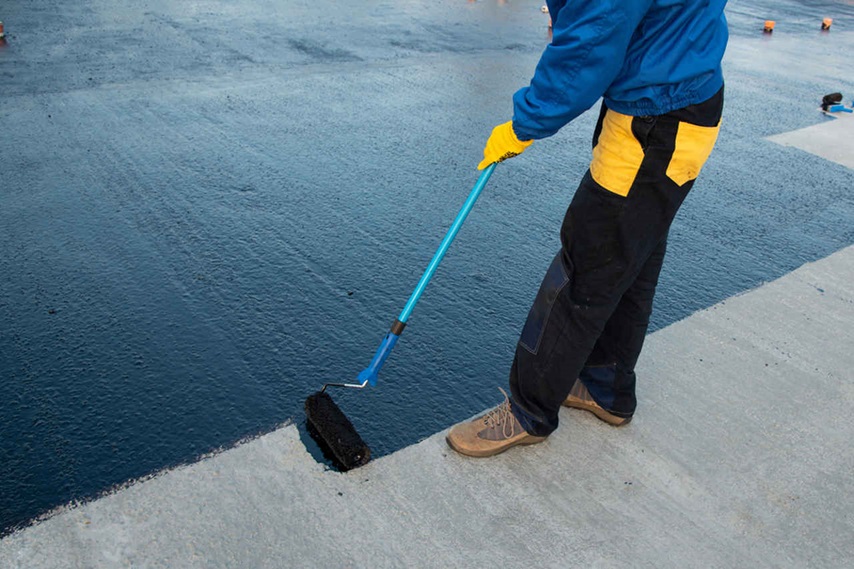
Coatings are liquid-applied waterproofing products that cure into a protective film across a surface, often used on roofs, decks and external walls. These waterproofing materials are typically rolled or sprayed on in multiple layers to build up an even thickness, which helps the coating resist cracking and UV damage over time. Elastomeric coatings are especially useful because they stay flexible, allowing them to move with the building rather than splitting under pressure.
Backing Rods
Backing rods are foam strips pushed into a joint before sealant is applied. They help control the sealant so it forms the right shape once cured. Without a backing rod, sealant can sink too deep into a gap, using more product than needed. As a supporting waterproof insulation material, backing rods are a small but important part of a sealed joint performing as intended.
Protection Boards
Protection boards are placed over membranes to shield them from damage during construction. Exposed membranes can be easily punctured or scratched before other layers go on top. These boards are especially useful below ground, where waterproofing on foundation walls needs to survive backfilling without tearing.
Waterstops
Waterstops are strips, usually made from PVC or rubber, that are cast into concrete joints to block water from moving through cracks or construction joints. Since waterstops are embedded during the pour, they need to be positioned correctly from the start, as there’s no way to add them once the concrete has set.
Reinforcing Fabric
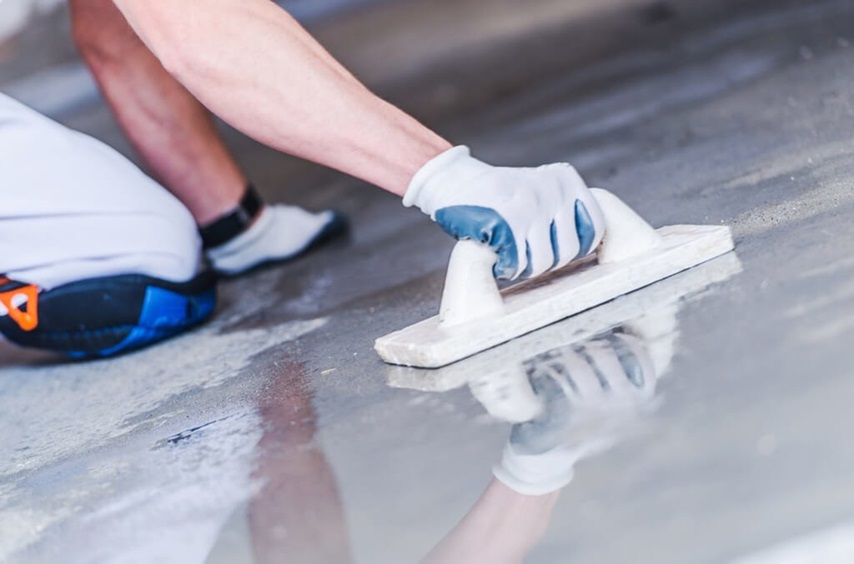
Reinforcing fabric is laid into liquid membranes, particularly around corners, joints and drainage outlets, to add extra strength to areas more likely to crack. This fabric helps the membrane cope with movement in these vulnerable spots, rather than relying on the liquid coating alone. Using reinforcing fabric in the right places is a straightforward way to extend the life of a waterproofing system.
Joint Tape
Joint tape is applied over gaps between different building materials, such as where a wall meets a floor, to prevent water from getting through the seam. Just like shower door seals, joint tape prevents water from getting to unwanted areas of your home, making it a small but essential part of a properly waterproofed wet area.
Base Collars
Base collars fit around pipes and other penetrations that pass through a floor or wall, sealing the gap that would otherwise allow water to track down alongside the pipe. These waterproofing products are typically bonded into the membrane layer, forming a tight seal around the fitting rather than leaving it an unprotected opening. Fitting a base collar correctly is easy to overlook but important to get right.
Prefab Corners
Prefab corners are pre-formed pieces designed to fit internal and external corners, where membrane sheeting can be tricky to shape neatly by hand. Corners are the most common places where waterproofing can fail, since folding a flat sheet into a tight angle often leaves thin spots or gaps. A prefab corner instead helps maintain even thickness through the bend, giving a more reliable seal than a hand-cut piece.
Coated Angles
Coated angles reinforce internal corners in a similar way to prefab corners, but they’re generally used with liquid-applied systems rather than sheet membranes. These fibreglass or fabric strips are pressed into the wet coating along the angle, then covered with another layer of coating to lock them in place. Coated angles help prevent cracking in a spot that has more movement than a flat wall or floor.