
When you bring a new plant home, it’s tempting to choose its pot based on looks alone. You spot a beautiful ceramic finish or a colour that works perfectly with your living room and think, “That’s the one.” But before you fall for the prettiest pot on the shelf, take a moment to think about what your plant actually needs.
The right container gives the roots room to grow, helps you manage moisture and keeps the plant sitting comfortably where you want it. Of course, you still want something that looks good. Your indoor plants are part of your home, after all, so there’s no reason their pots can’t complement your décor.
Choosing from the many options of pots for indoor plants really comes down to getting the practical details right first, then finding a style you love.
Start With the Right Pot Size
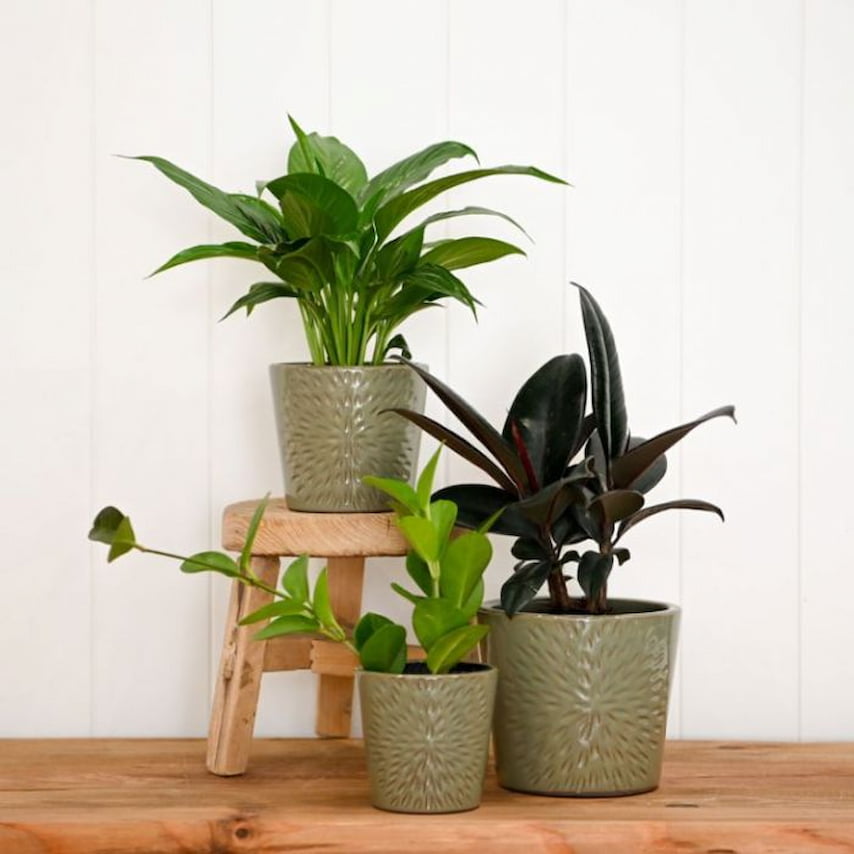
Pot size can have a surprisingly big effect on how your plant grows. A container that’s too small can leave the roots cramped, while a pot that’s far too large can hold more moisture than the plant needs. If you’re moving a plant into a new container, you generally don’t need to go several sizes bigger.
A modest increase gives the roots some fresh space without surrounding them with a huge amount of unused soil. It’s also worth looking at the plant itself. A tall plant needs a container with enough weight and stability to keep it upright, while a small plant can look lost in an enormous pot. Think about the proportions as well as the root space.
Not sure if your plant has outgrown its pot? Keep an eye out for:
- Roots poking through the drainage holes.
- Soil drying out much faster than it used to.
- Roots that look tightly packed when you remove the plant.
- Growth that seems to have slowed despite good care.
You don’t need to repot a plant simply because you’ve had it for a certain amount of time. Check the plant first and let it tell you what it needs.
Why Drainage Matters Indoors
If there’s one feature worth checking before you buy a pot, it’s drainage. Pots for indoor plants need a sensible way for excess water to escape, particularly if you’re still getting to know how much water your plant likes. When water sits around the roots for too long, the growing medium stays wet and the roots can struggle. A drainage hole at the bottom of the container gives excess water somewhere to go after you’ve watered your plant.
This does mean you’ll need to think about protecting the surface underneath. A saucer or tray can catch the water that drains through, keeping it off your floor, shelf or favourite wood furniture piece like a side table. You can also use a decorative pot as an outer container. Simply keep your plant in a suitable nursery pot inside it. When watering, take the inner pot out, let the excess water drain away, then return it once you’re happy that it has stopped dripping. It’s a particularly handy solution when you have a decorative pot you can’t resist but it doesn’t have drainage.
Pick a Material That Suits Your Plant and Space
Pot material isn’t just a style decision. It can affect how quickly the growing medium dries, how heavy the container is and how easy it will be to move your plant when you need to. Terracotta is a favourite for its warm, earthy appearance and porous nature. It can allow moisture to evaporate through the sides, which may suit plants that prefer their growing medium to dry between waterings.
Ceramic gives you more room to play with your interior style. You can find everything from softly glazed finishes to bold colours and interesting textures. Heavier ceramic pots can also provide useful stability for larger plants. If you like rearranging your plants or moving them around to make the most of available light, a lighter container may be easier to live with. Your back will probably appreciate that decision, too.
Before choosing a material, think about:
- How much water your plant typically needs.
- How bright or warm its position is.
- Whether you’ll need to move the pot regularly.
- The surface where you’ll place it.
- How much weight that surface can handle.
There’s no need to overcomplicate it. Consider the plant, the room and your own routine, then choose accordingly.
Match the Pot to Your Interior Style
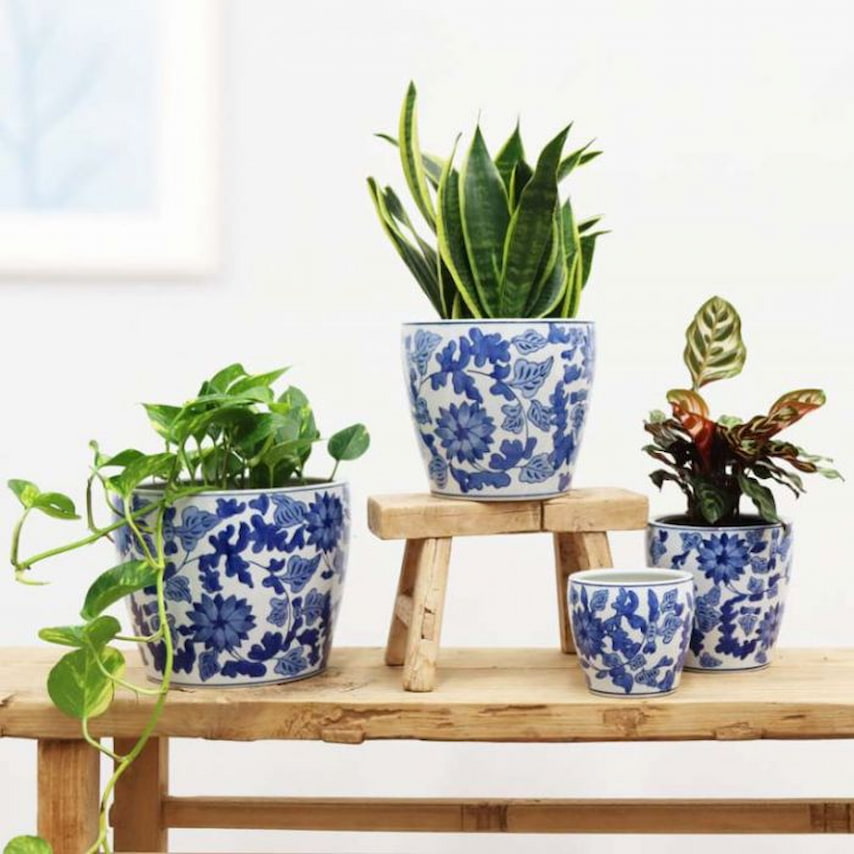
The indoor pots for plants can blend into the room or make a statement of their own. If your plant has large, dramatic leaves, a simple neutral pot can give the foliage plenty of attention. A smaller plant, on the other hand, can look lovely in a colourful or textured container.
Look at the shapes already in your room. Lots of clean, straight furniture? A rounded pot can soften the look. Prefer a streamlined, contemporary interior? A simple cylindrical or angular container may fit more naturally. You don’t have to make every pot match. In fact, a little variation can make your plant collection feel much more relaxed and lived-in.
Try combining different shapes while keeping one element consistent, such as a similar colour palette or finish. And remember to look at the pot with the plant inside it. A container might look gorgeous by itself but feel completely different once you’ve added a tall, leafy plant. Proportion is everything.
Create a Healthier, Better-Looking Plant Display
Once you’ve found the right containers, have a look around your home and think about where each plant will work best. You don’t need a dedicated plant corner to create an attractive display. A windowsill, empty shelf or side table can give a plant plenty of presence.
Varying the heights of your plants is an easy way to make a group look more interesting. Put a taller plant on the floor, a medium-sized one on a stand and a smaller plant on a shelf. Trailing plants can add another layer as their foliage spills over the edge of a pot.
When choosing indoor pots for plants, keep everyday care in mind. You don’t want to create a beautiful arrangement that’s awkward to water or impossible to move when you need to clean around it.
A few simple tricks can help you keep the display looking considered:
- Give larger plants enough room to stand securely.
- Leave space between pots so the arrangement doesn’t feel crowded.
- Group plants with similar watering needs where practical.
- Use different heights to create a more natural-looking display.
- Keep saucers or trays underneath containers on furniture and delicate surfaces.
Most importantly, don’t be afraid to move things around. Your home changes, plants grow and the light shifts throughout the year. A pot that works perfectly in one spot might look even better somewhere else a few months later.