
Gold prospecting can take many forms. Metal detecting offers a modern way to search large areas for buried nuggets, while panning, sluicing and crevicing draw on techniques that prospectors have used for generations. Each method has its own advantages and works best in particular environments.
Metal Detecting
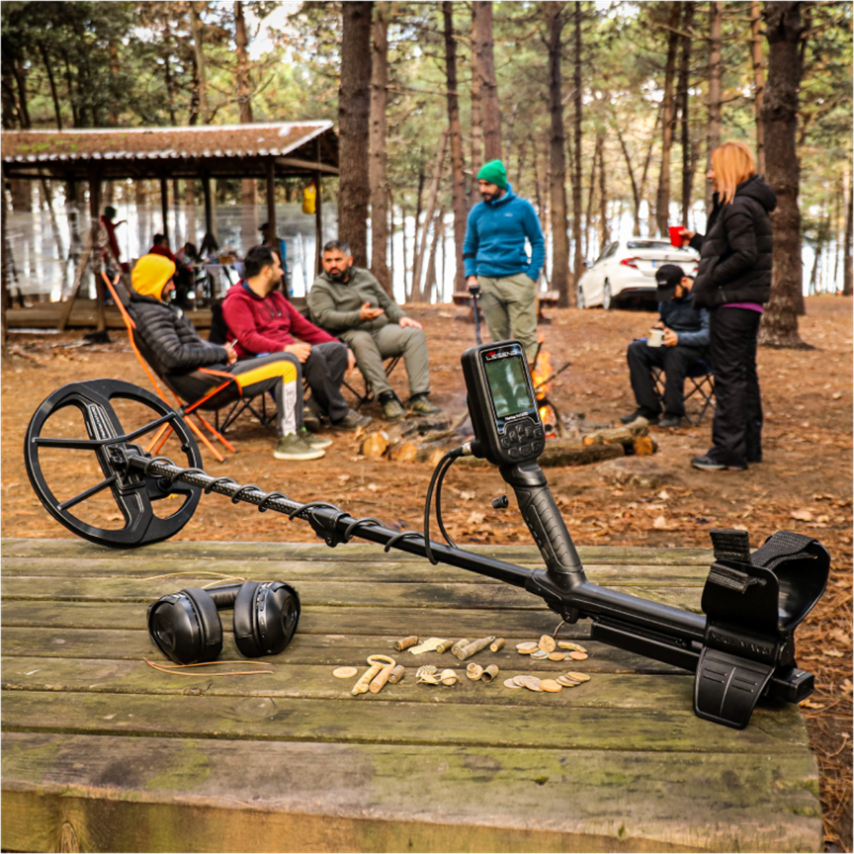
Metal detecting is one of the most popular ways of searching for gold. Modern detectors allow prospectors to cover large areas without moving large amounts of soil. These detectors are made to detect small metal pieces, which is very practical when looking for small nuggets hidden beneath the surface.
The detector’s portability is another advantage. It can be easily carried in any area, no matter how difficult to navigate. Once you locate a target, you can carefully dig down and see what’s hidden. Choosing high-quality, reliable prospecting equipment is all about knowing what type of gold you’re looking for and the ground conditions you’re working with. Last but not least, there’s the excitement factor of receiving the signal without knowing what you’ll uncover beneath the surface.
Gold Panning
If you’re looking for a simple way of prospecting, gold panning is the method to try. It requires little equipment, and it’s a great way to learn how gold behaves in different natural sediments. The method relies on the density difference between gold and the lighter materials.
You place sediment and water into a pan and carefully wash away the lighter materials. When you do this, heavier particles stay behind. Now, you can see gold among the remaining concentrates. Panning is perfect for areas where water has naturally moved. Areas like creeks, riverbeds and exposed bedrock can be interesting places to investigate.
It’s not uncommon for experienced prospectors to use a pan to test material from a promising location. Finding even the smallest amount of gold can give them useful information about what to expect in that area without having to scan it for a long time.
Sluicing
A sluice box takes the basic principle behind panning and allows you to process more material. You don’t have to work with one pan at a time. Instead, sediment is placed into the sluice, where flowing water carries lighter materials away. Heavier particles stay trapped in the recovery system.
This method can be effective in locations with a reliable water source and gold-bearing sediments. Just keep in mind that sluicing requires more preparation than panning. You need to consider the size and type of sluice, water flow, location and how you will recover and clean up the concentrates afterwards.
Crevicing
Crevicing is a technique that involves searching for cracks, gaps and natural pockets in exposed bedrock. Moving water over time can carry gold into these crevices, and heavier particles settle inside them. This is a very interesting method to try. You carefully remove material to further inspect or process it.
The prospecting equipment for this method has to be able to reach tight, narrow spaces and remove compacted materials. Things like a small hand tool, brush and scraper are the ones to have on hand. With the right tools, it’ll be easier to navigate the terrain.
Crevicing also rewards patience. A tiny crack can contain very little, while another may hold concentrated material that makes the effort worthwhile. As always, check local regulations before disturbing bedrock or removing material.
Dry Prospecting Methods
Not every goldfield has access to running water. Because Australia has dry regions, people developed methods to process materials without a creek or river. Instead of water, dry prospecting includes equipment that separates the materials using air. One way to do it is with dry blowers. With controlled airflow, it can separate lighter from heavier particles.
These methods allow prospectors to investigate areas far away from permanent waterways. Keep in mind that dry prospecting requires you to carefully consider the equipment for gold prospecting, conditions and local regulations. Dust management is also important, especially when working with large amounts of materials.
Choosing the Right Method for the Ground
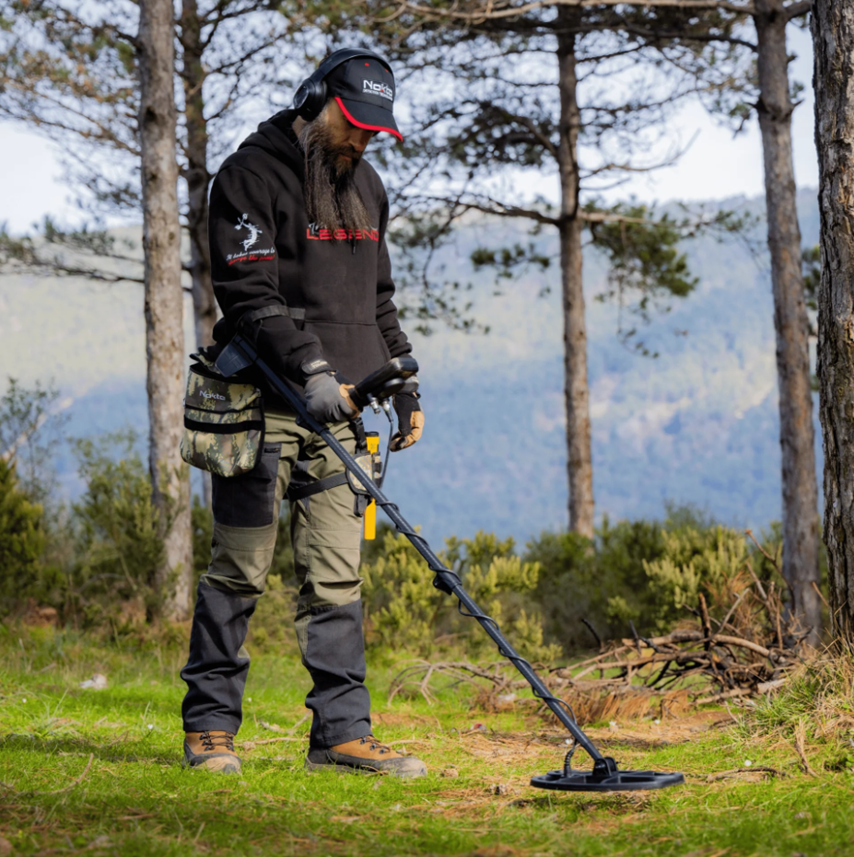
Which prospecting method you choose depends heavily on the location. Before grabbing the equipment and heading out on an adventure, consider the terrain, water availability, accessibility and the type of gold you hope to find. Prospecting is not always about choosing one method and sticking with it forever. Oftentimes, combining techniques is more useful.
Metal detecting can be a practical choice for covering wider areas and searching for buried nuggets. Panning is a straightforward way to investigate sediments and learn about local gold distribution. With sluicing, you can process larger quantities of material, while crevicing focuses on natural traps in exposed bedrock. If you want to explore areas with no water, dry prospecting is your go-to method.
Your experience is another important thing. If you’re a beginner in this activity, it’s best to start with panning. More experienced prospectors can combine several different techniques. Don’t forget to check land access, prospecting permissions, and environmental regulations. Different locations can have different rules, so do your research beforehand.
In Summary
Gold prospecting doesn’t have to follow a single path. Metal detecting, panning, sluicing, crevicing and dry methods each offer a different way to investigate Australia’s goldfields. The right approach depends on the ground, your target and the resources available. Learning how each technique works can help you make better decisions in the field and turn every trip into an opportunity to explore, learn, and uncover a little gold.