
A messy TV area can make even a beautifully decorated living room feel cluttered. Loose cables, gaming accessories, remotes, and media devices quickly take over the space when there is nowhere to keep them organised. TV units offer a practical way to bring everything together while creating a focal point that complements your interior. However, choosing the right entertainment unit involves more than finding a style you like.
Range of Designs
Create a clutter-free living room with a designer entertainment unit that combines style and storage. Your TV unit should complement your existing furniture while reflecting the atmosphere you want to create. Fortunately, several styles make it easy to coordinate functionality with your preferred interior design.
Modern Units
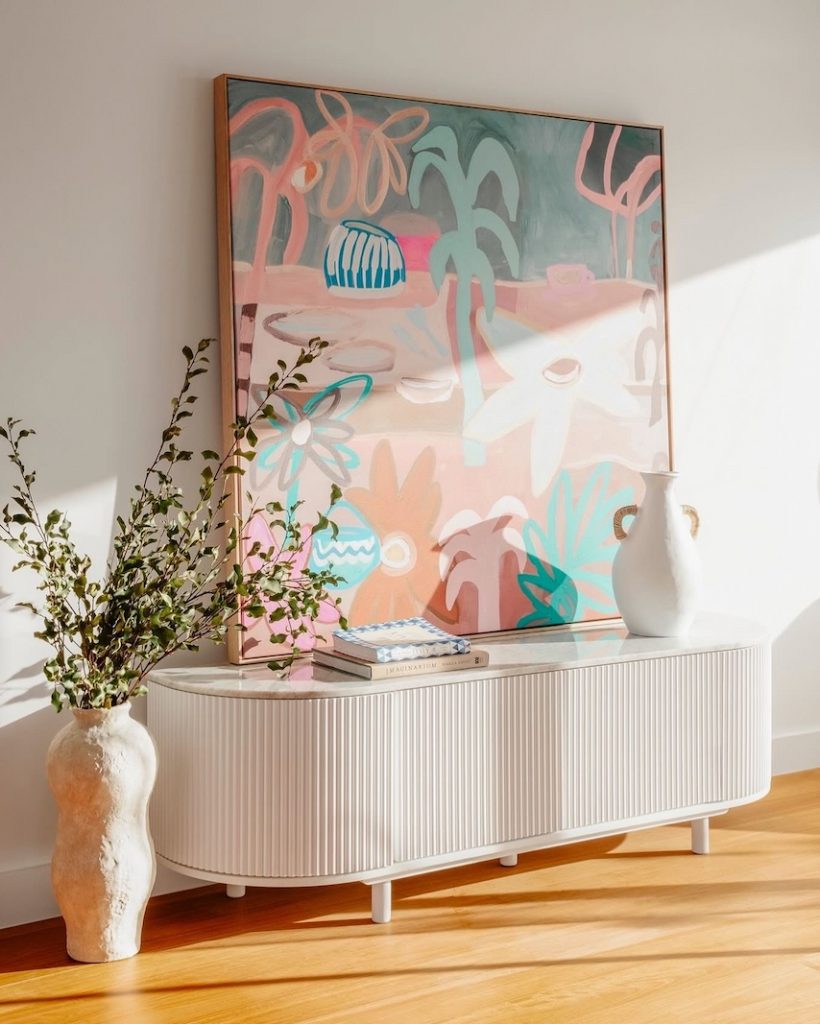
Modern designs typically feature clean lines, understated detailing, and streamlined silhouettes. They suit contemporary living rooms where simplicity and visual balance are priorities. Handleless drawers, smooth surfaces, and minimal ornamentation can help create a neat, uncluttered appearance.
Scandinavian Entertainment Units
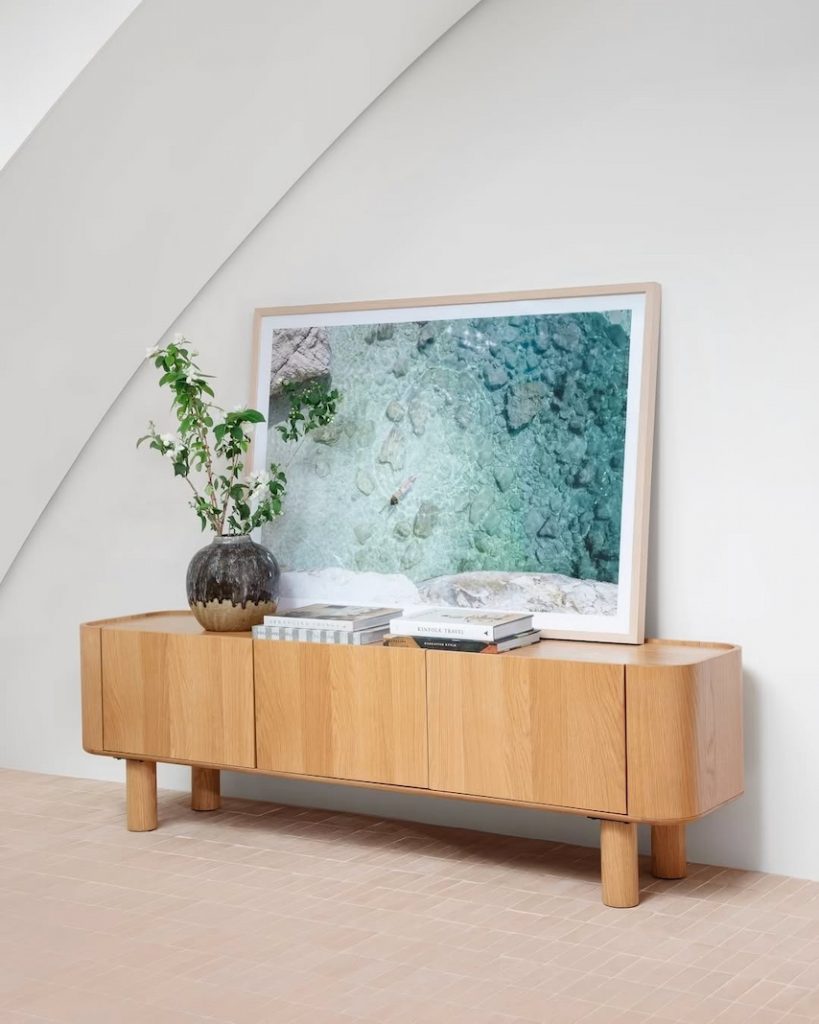
Scandinavian-inspired units often combine simple shapes with light timber finishes and practical storage. Their understated appearance works particularly well in bright interiors, neutral colour schemes, and rooms where you want furniture to feel warm without appearing heavy.
Industrial TV Units
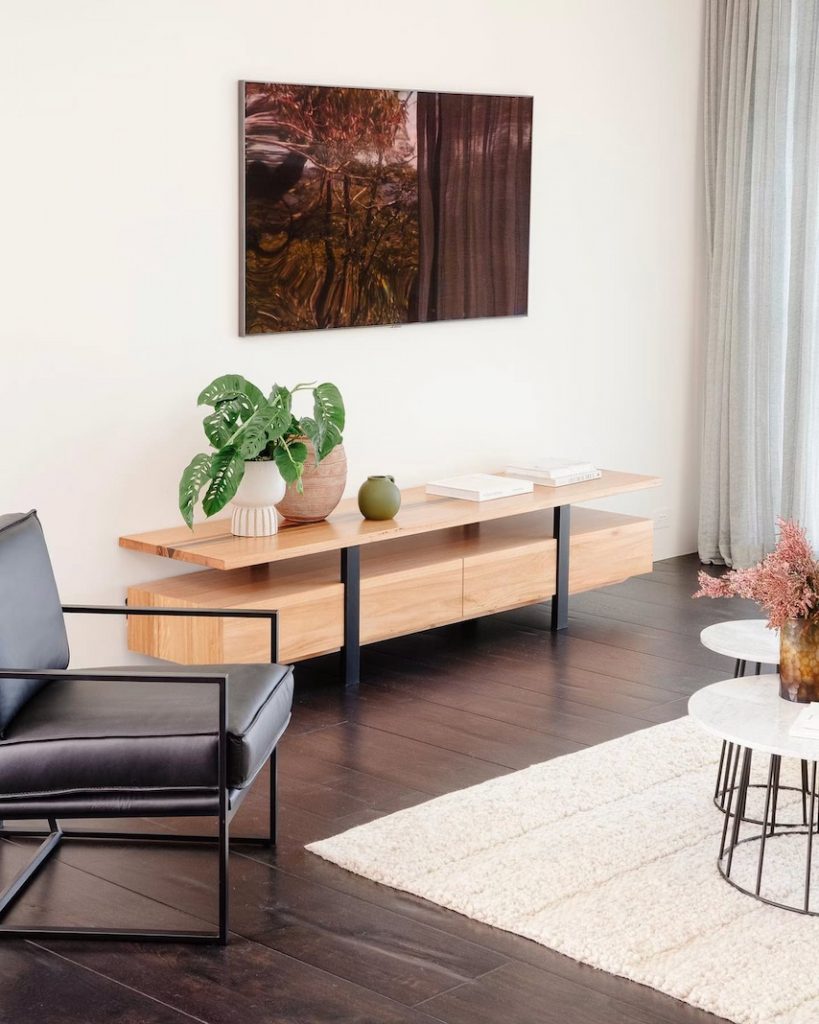
Industrial designs add distinctive character through combinations of metal, darker finishes, and textured surfaces. They work well with exposed brick, concrete-look finishes, and furniture featuring strong, uncomplicated lines.
Coastal and Farmhouse Styles
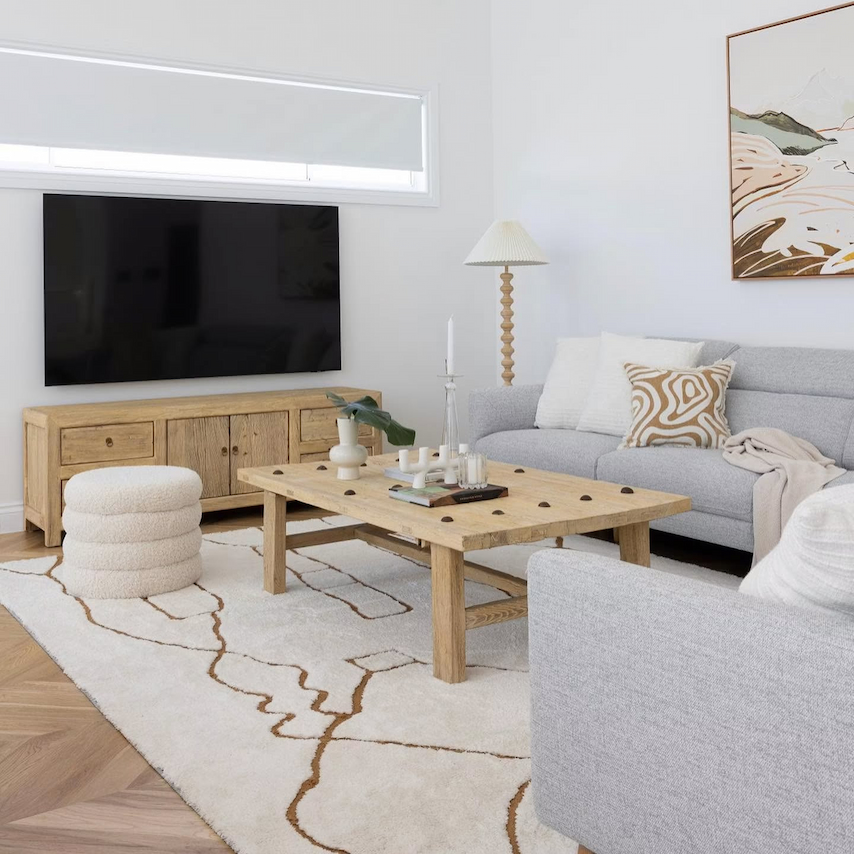
Coastal entertainment units often feature light colours, natural textures, and relaxed silhouettes, while farmhouse-inspired designs may incorporate more substantial forms and traditional detailing. Both styles can create a welcoming living space when paired with complementary furniture and soft furnishings. Choose a design that works with your existing décor rather than selecting a unit based on appearance alone.
Material Selection
The material and finish of a designer entertainment unit influence its appearance, durability, and maintenance requirements. Consider how the cabinet will coordinate with your existing furniture and how much everyday wear it is likely to experience.
Timber Entertainment Units
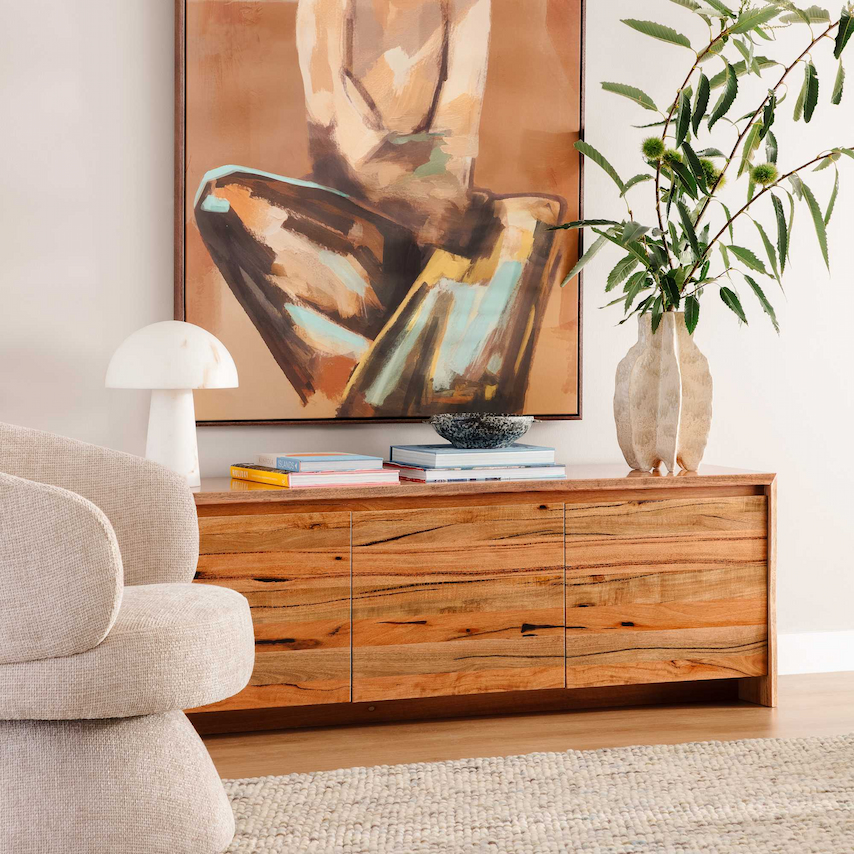
Timber brings warmth, texture, and natural character to a living room. Different timber species and finishes offer varied grain patterns and tones, ranging from pale, understated shades to richer brown hues. Timber units can complement modern, coastal, traditional, and rustic interiors.
You do not necessarily need to match your entertainment unit exactly to your coffee table or dining furniture. Combining complementary timber tones can create a more layered and natural-looking interior.
Metal and Mixed-Material Designs
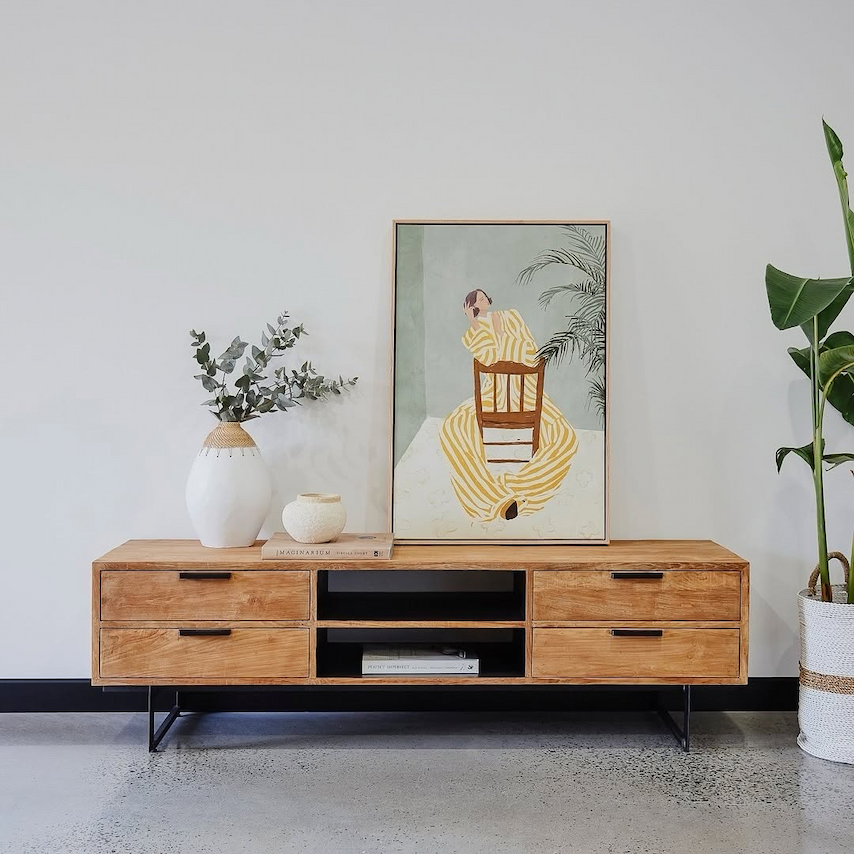
Metal details can introduce a contemporary or industrial edge, particularly when combined with timber or darker finishes. Mixed-material designs also create visual interest without relying on elaborate decorative features.
Glass and Stone Details
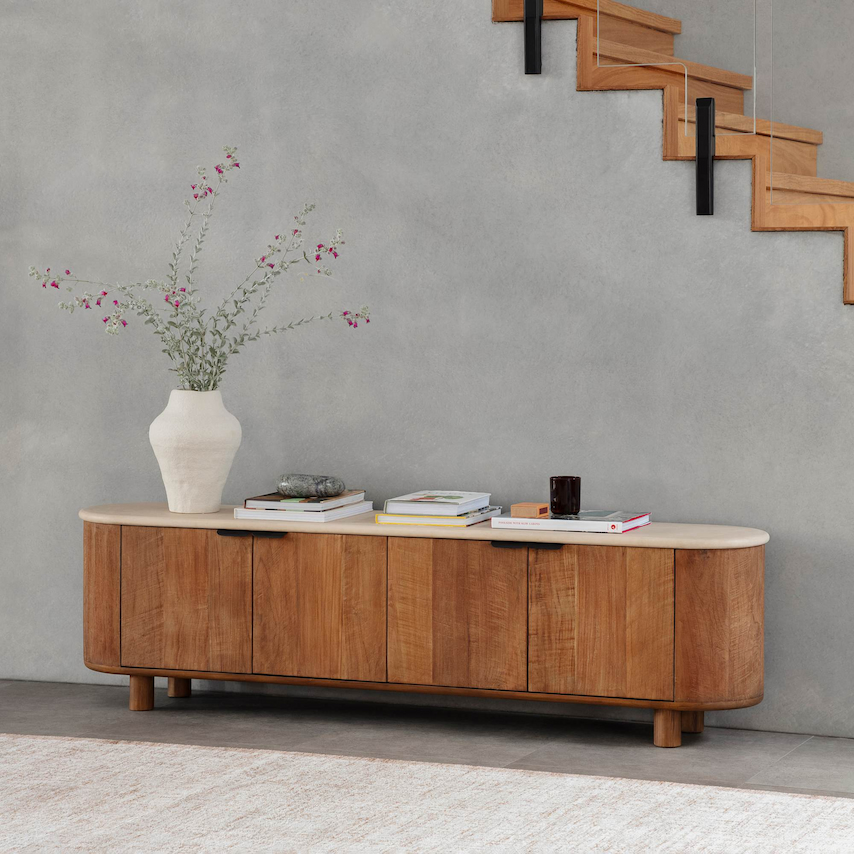
Glass can contribute a lighter, more refined appearance, while stone elements introduce texture and a more substantial visual presence. These materials may be used as accents or incorporated into particular sections of the design.
When comparing finishes, check the manufacturer’s care instructions and consider how easily fingerprints, dust, and scratches may show on the surface.
Size and Dimensions
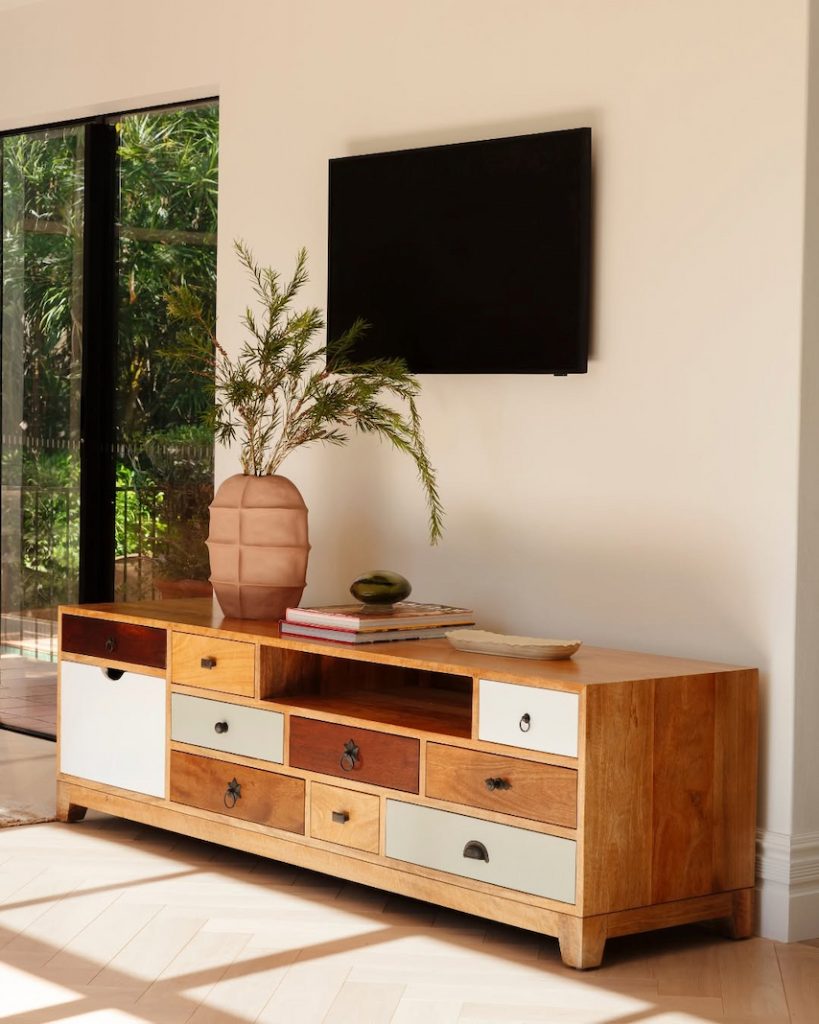
The size of your entertainment unit affects both the appearance and functionality of your living room. A cabinet that is too small can look unbalanced beneath a large television, while an oversized design may dominate the space and restrict movement.
Start by measuring your television’s actual width and the wall where you intend to place the unit. A cabinet that extends beyond both sides of the screen often creates a more balanced arrangement and provides extra surface space for accessories. Also measure the available depth, particularly if your living room has narrow walkways or limited floor space.
Height is equally important. Low-line entertainment units create a contemporary appearance and can work well with low-profile sofas, while taller cabinets may provide additional storage. Consider your usual seated viewing position to ensure the television sits at a comfortable height.
Organisational Features
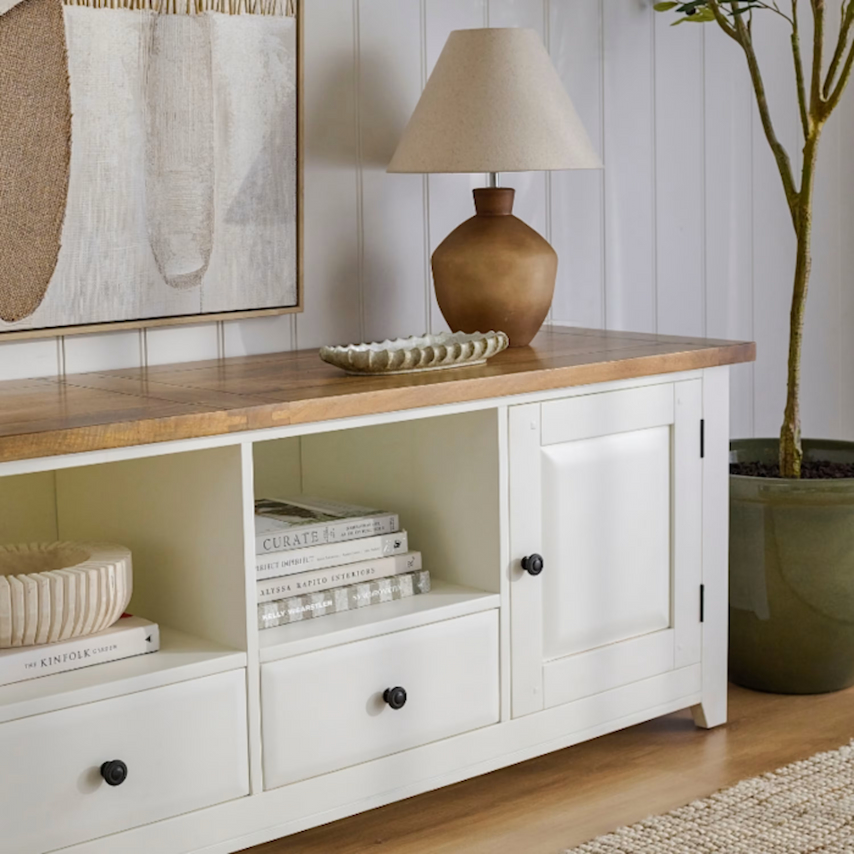
Even a stylish entertainment unit can look messy when cables and electronic accessories are left exposed. Fortunately, TV units are one of those furniture items that can double up as storage. Just look for cable openings at the back of the unit that allow power cords, HDMI cables, and other connections to pass through neatly. These openings can reduce visible tangling and make it easier to position devices.
Before purchasing, check whether the internal compartments can accommodate your equipment without restricting airflow. Gaming consoles, media players, and other electronics may generate heat, so they should not be tightly enclosed unless the manufacturer permits it.
You can also use cable ties or suitable cable organisers to keep connections grouped. Leave enough slack to access plugs when needed and avoid placing cables where they could be crushed behind the cabinet.
Selecting a Colour that Complements Your Interior
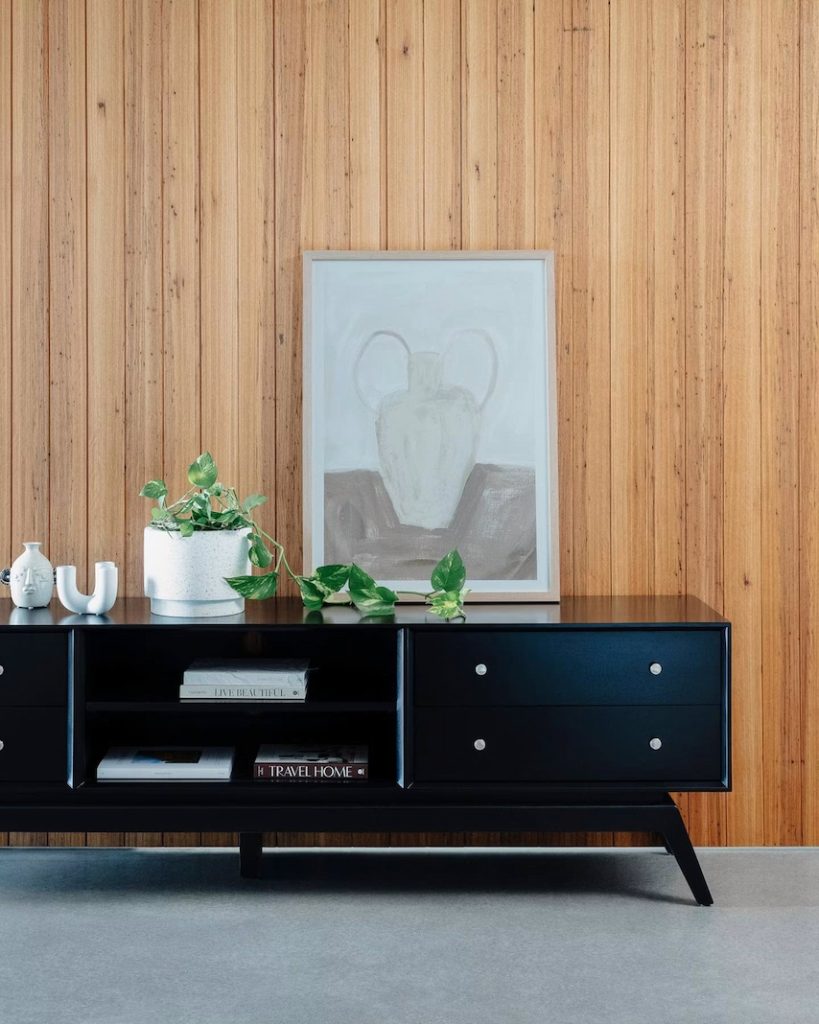
Colour can influence whether an entertainment unit blends into your living room or becomes a statement piece.
Light finishes, including white, beige, and pale timber tones, can help create an airy atmosphere. They work well in smaller rooms, neutral interiors, and spaces that feature plenty of natural light.
Darker finishes, such as black and deep brown, create contrast and can complement contemporary or industrial décor. They may also help anchor a television area visually, particularly when the surrounding walls and furnishings are lighter.
Natural timber tones provide another versatile option, introducing warmth without requiring bold colours. If your living room already contains several textures and finishes, a relatively simple unit may help maintain visual balance.