
Are you constantly questioning yourself whether what you’re wearing is actually right for your new job? Trust me, pretty much everyone reaches that point in their early days at a new job, especially when everyone else around seems to know the unspoken rules, and you’re still working them out.
The good news is that dressing appropriately comes down to a few simple things, like your workplace, your industry and the impression you want to make.
The Corporate Dress Code
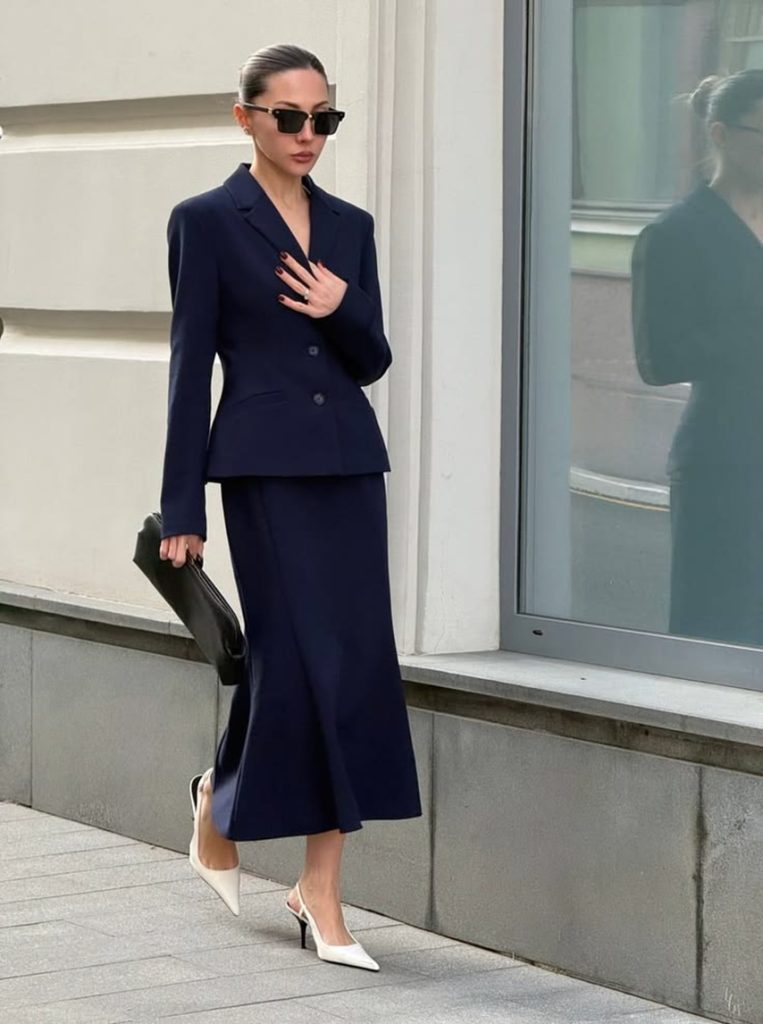
As a woman, finishing your studies and landing your first corporate job is a truly important life event. There’s a lot to figure out at once, from building good relationships with colleagues to working out what to wear, which is honestly part of the fun. When you learn about the corporate dress code, you’ll have a great excuse to go shopping and pick up clothes that help you feel sorted from day one.
What a Dress Code Really Means
Every workplace has a dress code. Your company likely has it written down, and HR will introduce you to it. Even if that’s not the case, there are general rules about what’s appropriate to wear based on the industry, the clients and the office culture.
For instance, in banks and law firms, classic business attire is considered the most acceptable, while creative agencies and tech companies are much more relaxed about the range of clothes you can wear. Plenty of Australian offices land on smart casual, which sits nicely in the middle.
When you’re working on your collection of ladies’ work outfits, the goal is simple: look professional, feel comfortable and know what’s expected without overthinking it every morning.
Run Every Outfit Through Three Checks
Before you buy something and get dressed for work, think about three things. First, the context. A big client pitch and a Tuesday team catch-up don’t need the same look. Second, your industry. Finance, law and consulting will always require sharp women’s work clothes so they’re taken seriously, while creative and startup workplaces prefer polished yet relaxed styles. Third, the future you. Picture the woman who already has the role you want and dress a little closer to her than to where you are now.
Looking prepared builds a reputation for being prepared. Start with what suits your workplace, add a few good pieces, and wear them with confidence.
Types of Corporate Wear for Women
Starting a new job is a lot to take in, but working out the right women’s uniforms gets easier once you know the main dress codes. Most Australian workplaces fall into one of these three styles.
Business Formal
This is the most traditional look, “serious” dress code. It’s common in law firms, banking and finance. Think a tailored trouser suit or knee-length skirt suit in neutral colours, with a structured blouse. Closed-toe shoes with a modest heel, a laptop bag and simple jewellery, like a watch and small earrings, finish it off. Keep makeup light and nails neutral.
Business Casual
Business casual ladies’ work outfits usually offer more freedom. This is the default dress code in most Australian offices, especially in consulting and professional services.
Tailored trousers, a midi skirt or a shift dress, paired with a blouse or knit top, all sit comfortably in this category. Flats, modest heels or leather shoes keep things polished, and a scarf or nice earrings let you show your true personality. Skip denim and anything too loose or too tight.
Relaxed Creative Workplaces
Tech companies, creative agencies and startups are more laid back. For instance, you can wear dark jeans with a structured top, a casual blazer or cardigan, and neat sneakers, and all will be fine. You also have more room for bolder jewellery and your own style. Just stay away from gym wear, thongs and anything too revealing.
Spend your first week noticing what your colleagues wear, then build from there. A few good pieces of trendy work wear go a long way.
Dressing For Your Industry
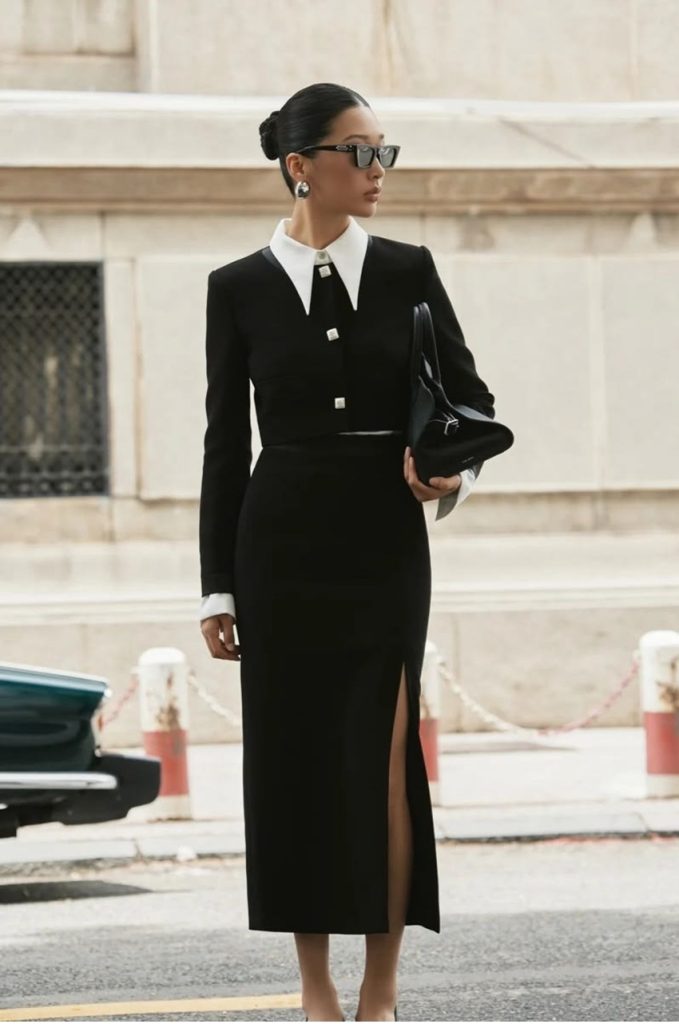
If you’re wondering what to wear for your specific industry, there’s a dress code that’s accepted globally, and it’s worth knowing before your first day.
- Financial services: Lean towards business formal or business casual, with suits and structured pieces.
- Law: This industry requires business formal female work clothes, especially in client-facing roles.
- Healthcare: Clinical staff wear professional clothing or scrubs, while admin staff usually go business casual.
- Tech and startups: Jeans and sneakers are accepted here, but it’s still better to dress up better for client meetings.
- Education: Business casual is the norm, with practical clothing for lab work.
- Hospitality and retail: You’ll usually get a uniform or clear guidelines.
- Government: It ranges from business casual to formal, so check your induction materials.
Getting your work wardrobe right is all about understanding what your workplace expects and choosing pieces that make you feel confident. It’s always best to start with a few quality basics, make sure they follow the dress code, and you’ll have no trouble looking great from day one.