
Traditional hunting optics rely on visible light, while night-vision devices amplify available ambient light to make dark environments easier to observe. Thermal imaging takes a different approach. Instead of relying on moonlight, starlight or infrared illumination, it detects temperature and converts it into an image that reveals the heat signatures of animals, people and surrounding objects.
This technology has changed how hunters and wildlife observers scan terrain, particularly before sunrise, after sunset and in areas where visibility is limited. A handheld thermal spotter can help locate animals that might otherwise blend into their surroundings, making it useful for scouting, observation and situational awareness.
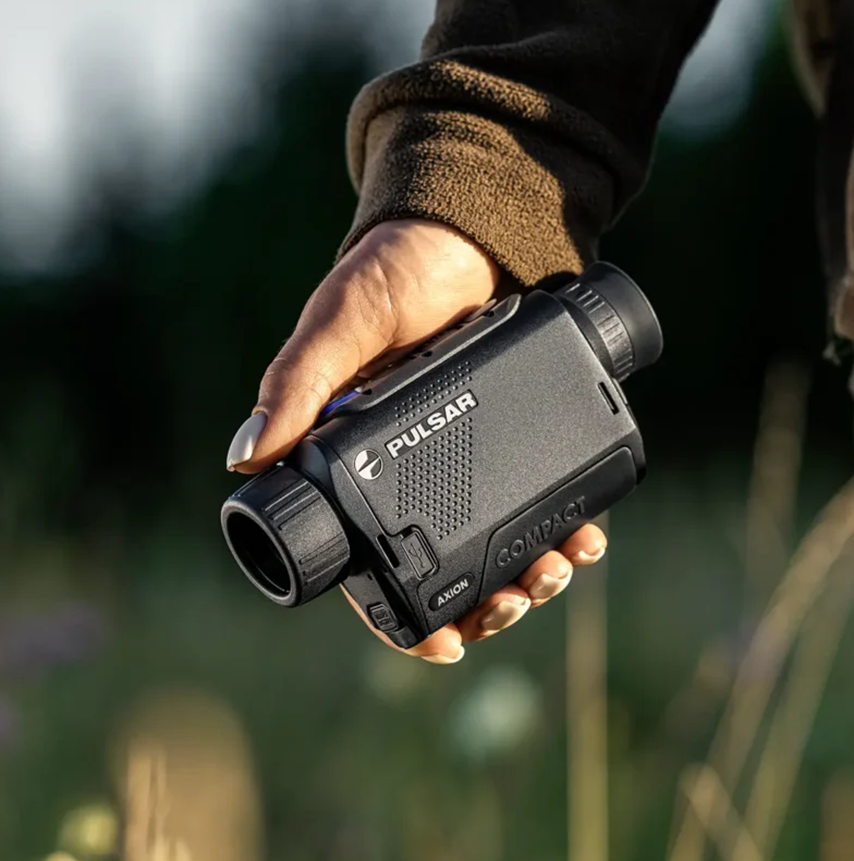
A premium thermal hunting monocular is a handheld optical device designed to detect infrared radiation and display temperature differences as a visible image. Unlike a weapon-mounted thermal scope, which is designed for aiming and target engagement, a handheld monocular is primarily used to scan an area, locate heat signatures and observe potential targets before making further decisions.
How Thermal Monoculars Work
Infrared Radiation Detection
Everything above absolute zero emits infrared radiation. The amount and wavelength of this radiation depend on the object’s temperature and material properties. Thermal imaging devices detect a portion of this radiation, typically in the long-wave infrared spectrum, and use it to create an image based on temperature differences.
Most handheld thermal monoculars used for outdoor observation contain an uncooled microbolometer sensor. This sensor consists of numerous small detector elements, commonly referred to as pixels. Each element responds to incoming infrared energy, and the device’s processing system converts those measurements into an image displayed through the eyepiece.
The result is a visual representation of thermal contrast rather than a conventional photograph. An animal standing in cooler grass, for example, may appear as a distinct heat signature because its body temperature differs from the surrounding environment. This is particularly useful when scanning large areas where animals are difficult to distinguish using ordinary optics. It can also help reveal movement and heat patterns in conditions where visible-light observation becomes challenging.
Why Thermal Imaging Differs from Night Vision
Traditional night vision amplifies available light, including small amounts of natural ambient illumination. Some devices also use an infrared illuminator to provide additional illumination when it is particularly dark. Thermal imaging does not need reflected visible light or an IR illuminator. It detects emitted infrared radiation, allowing it to operate in complete darkness. This is one of its most significant advantages for nighttime observation.
Thermal imaging can also be useful during daylight. An animal may remain difficult to distinguish visually because its colouring blends into the vegetation, but its body heat can create a noticeable contrast against the background. Another advantage is its ability to detect heat signatures through certain obscurants, including some smoke and dust. Light fog may also have less impact on thermal imaging than on visible-light optics, although performance varies with atmospheric conditions and the distance being observed.
There are important limitations, however. Thermal devices cannot see through walls, solid barriers or ordinary window glass. Glass generally blocks the long-wave infrared radiation detected by these devices, meaning the monocular will display the temperature of the glass surface rather than objects behind it. Dense vegetation can also conceal an animal’s heat signature, although gaps between branches and leaves may allow parts of the animal to remain visible.
Weather conditions matter as well. Heavy rain, high humidity and warm ambient temperatures can reduce the thermal contrast between an animal and its surroundings. This can make it more difficult to distinguish a target from the background, particularly over longer distances. These limitations are sometimes described as thermal washout, although the precise effect depends on the environment and device.
OLED vs LCOS
The display determines how the processed thermal image appears to the observer. OLED and LCOS are two technologies used in thermal imaging devices.
OLED displays use self-emissive pixels, meaning individual pixels generate their own light. They are often valued for deep blacks, strong contrast and fast response times. These characteristics can make thermal images easier to view, particularly when switching between different colour palettes.
LCOS, or Liquid Crystal on Silicon, uses a reflective display system. It can provide detailed images and may be used in devices designed around compact optical assemblies.
Display performance should also be assessed in terms of resolution, brightness adjustment, eye comfort and low-temperature operation. Cold-weather performance depends on the complete display and electronic system, not simply whether a device uses OLED or LCOS. For extended observation sessions, a comfortable eyepiece, adjustable brightness and clear image presentation can make a meaningful difference.
Essential Features for Field Performance
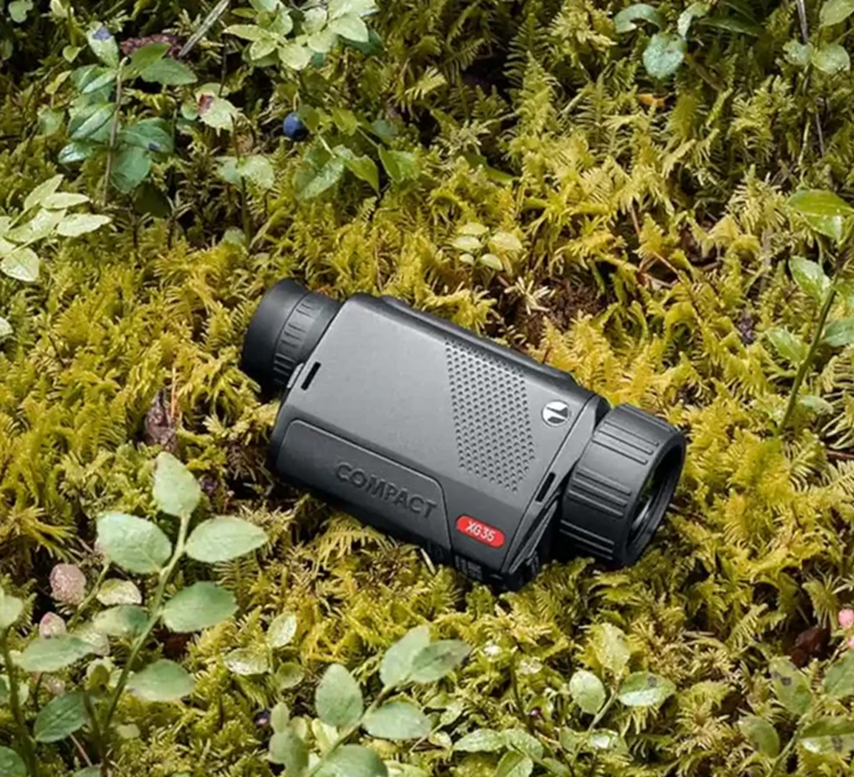
Beyond the core sensor specifications, practical features influence how useful a thermal monocular is during extended outdoor observation. Some affect the ability to interpret heat signatures, while others improve convenience, reliability and operation in changing conditions.
Detection, Recognition and Identification (DRI) Ranges
One of the most frequently advertised specifications is detection range. However, detection, recognition and identification describe different levels of observation.
- Detection: The ability to detect an object or heat signature is present.
- Recognition: The ability to distinguish the general type of object, such as an animal or person.
- Identification: The ability to determine the object’s specific identity or characteristics with sufficient confidence.
A manufacturer may advertise a detection range of several hundred to more than a thousand metres. This does not mean an animal can be positively identified at that distance.
Detection figures are often based on standardised target dimensions and theoretical performance criteria. The widely used Johnson criteria, for example, relate the number of pixels across a target to the probability of performing particular visual tasks under defined conditions. Real-world observation can be considerably more demanding.
An animal’s size, orientation, movement, background temperature, humidity and atmospheric conditions all influence the result. A heat signature may be visible at a considerable distance but remain too small or indistinct to identify confidently.
When comparing thermal monoculars, look for separate detection, recognition and identification information where manufacturers provide it. Treat detection range as an indication of potential reach, not a guarantee of usable identification distance.
Colour Palettes
Thermal devices commonly offer several display palettes that represent temperature differences using different colours. These settings do not change the information captured by the sensor, but they can make certain details easier to interpret.
White Hot displays warmer objects in white and cooler surroundings in darker shades. It is a popular general-purpose setting because it provides a straightforward image that many users find easy to interpret.
Black Hot reverses the presentation, showing warmer objects in black and cooler areas in lighter shades. Some observers prefer this palette in bright environments or during extended viewing sessions because it can make heat signatures easier to distinguish.
Red Hot highlights warmer areas using red or orange tones, helping draw attention to heat sources. Depending on the device, it may be useful for quickly locating warmer objects, although intense colours can sometimes obscure subtle temperature variations.
Fusion and Ironbow palettes use colours to represent different temperature levels. These can provide additional visual contrast and may help distinguish warmer objects from cooler backgrounds. The most suitable palette depends on personal preference, the environment and the image being observed. It is worth testing several options rather than assuming one setting will perform best in every situation.
Battery Architecture and Runtime
Battery performance is particularly important during long observation sessions and overnight trips. A device that requires frequent charging or battery replacement may be inconvenient when access to power is limited.
Removable batteries can make it easier to carry spare power and continue operating without waiting for a recharge. However, compatibility, battery quality, and charging requirements should be carefully considered. Proprietary battery systems may offer a convenient integrated design but can require model-specific replacements.
Runtime figures advertised by manufacturers should also be interpreted carefully. Actual battery life can vary with ambient temperature, display brightness, Wi-Fi use, recording, rangefinder operation and other active features. Cold weather can reduce the available capacity of rechargeable batteries, making spare batteries and appropriate storage particularly important. For extended trips, consider the ability to replace batteries in the field and whether the device supports external power where permitted.
Durability, Weather Resistance and Ergonomics
Outdoor equipment must withstand more than occasional handling. Rain, dust, mud, temperature changes and accidental knocks can all affect reliability. Operating temperature is another important specification. A device designed for moderate conditions may not perform reliably in extreme cold or heat. Check both the operating and storage temperature ranges, especially if the equipment will be used during winter trips.
Ergonomics matter just as much as physical protection. Look for a comfortable grip, accessible buttons, sensible menu navigation, and controls you can operate without excessive noise or unnecessary movement. A well-positioned button layout is particularly useful when using the device with gloves.
Primary Hunting and Scouting Applications
Thermal monoculars can support several aspects of outdoor observation, from locating wildlife to assessing terrain and improving awareness of surrounding activity. Their usefulness depends on the environment, local regulations and the observer’s ability to interpret thermal images correctly.
Predator and Pest Control
In areas where lawful predator or pest management is permitted, thermal imaging can help observers locate animals during low-light periods. Coyotes, foxes and feral hogs may produce noticeable heat signatures against cooler ground or vegetation, making them easier to detect than with conventional optics alone.
A handheld spotter can help scan open pastures, field boundaries and timber edges without relying on visible light or an active IR illuminator. This can reduce the need to disturb an area with additional illumination. However, detection is not the same as identification. Non-target species, livestock and other animals may produce similar thermal signatures. Observers must establish what they are viewing and comply with applicable hunting and pest-control rules before taking any action.
Big Game Scouting and Pre-Dawn Observation
Thermal imaging can also be used to observe deer, elk, wild boar and other larger animals during early morning or evening. A handheld device can help locate heat signatures across open terrain and identify areas where animals are moving. This information may support general scouting and help observers understand how wildlife uses a particular landscape.
Wind direction, terrain, vegetation and access routes remain important considerations. Thermal equipment does not replace knowledge of animal behaviour or the need to observe wildlife responsibly.
Key Buying Considerations by Hunting Environment
The best equipment for one environment may be inconvenient in another. Before comparing prices or choosing a particular model, consider where the device will be used most often and what type of observation it needs to support.