
Mixed martial arts has become one of the most popular martial arts styles among young people. In addition to teaching discipline, physical fitness, and self-confidence, MMA training offers valuable lessons in technique and skill. But before your fighter steps onto the mat, make sure they have the proper training gear. Having the right youth martial arts sparring gear not only prevents injuries but also allows young athletes to train confidently and properly develop their techniques.
Why Proper Gear Matters More for Young Athletes
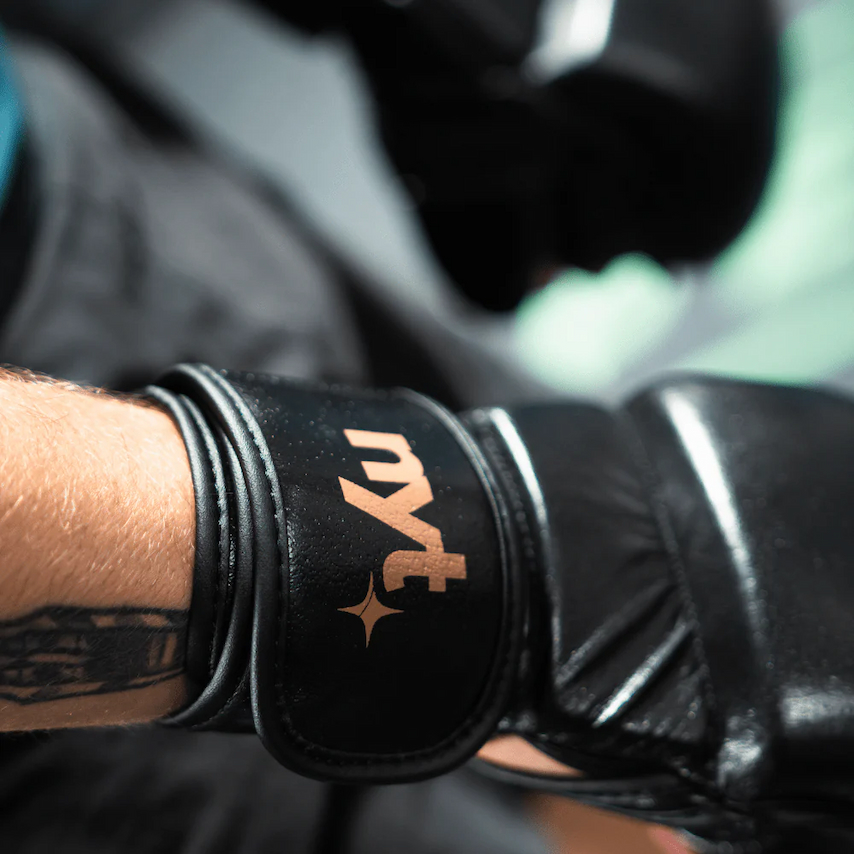
Children and teenagers are still growing. Their bones are less dense, their joints are more prone to injury, and their brains are more easily affected by concussions than those of adults. And MMA is a combat sport, which means it involves fighting techniques that can cause damage to the opponent. This is why MMA fighters, especially teens and beginners, need proper protective gear. Youth martial arts sparring gear is not simply a scaled-down version of adult equipment. It is purpose-built with thicker padding, better materials, and secure fit systems that can accommodate smaller bodies.
What Gear is Needed for Sparring?
1. Head Protection
The head is the most crucial area to protect in any combat sport. In youth MMA, go for headgear that provides full coverage, including a front bar or face cage, cheek padding, and sufficient protection for the temples and rear of the head. Open-faced headgear may be stylish, but a face bar is necessary for young or inexperienced fighters.
Key features to check: multi-layered padding (usually made from memory foam and shock-absorbing outer foam), a chin strap that is tightly secured and will not move when hit, and rear straps that can be adjusted to provide a snug fit. Do not buy headgear that obscures vision or is loose enough to rotate around on the head.
2. MMA Gloves and Sparring Gloves
Regular MMA gloves (4-6 oz) are used in competitions and are not sparring gloves. Youth sparring is best done using gloves that are slightly bigger and padded, typically 7 oz. However, in some cases and programmes, boxing gloves in the 10-14 oz size range can be used.
What to look for: uniform padding throughout, a wrist wrap that securely supports the wrist joint with sturdy Velcro closures, and durable materials made from genuine leather or high-grade synthetic leather. Thin, poorly padded gloves tend to wear out quickly and offer limited protection.
3. Mouthguard
A correctly fitted mouthguard ranks among the most crucial pieces of equipment to consider when choosing protective gear; not only does it protect the child’s teeth, but it also cushions jaw impacts and reduces the likelihood of concussions.
What to look for: for younger fighters, the most suitable choice is a boil-and-bite mouth guard, which offers a good custom fit at a relatively small cost. For serious competitors, a dentist-fitted mouth guard offers superior protection. Stock mouth guards, usually found in basic kits, do not provide enough protection and tend to fall out.
4. Groin Protection and Chest Protector
Boys must use a groin protector, and both boys and girls should wear a chest protector. Practising MMA involves takedowns and clinch work that can lead to accidental hits. Since incidental contact is impossible to avoid, wearing these protectors is non-negotiable.
What to watch out for: the groin guard should have a hard exterior layer and soft interior padding. It must fit snugly over compression shorts or an athletic supporter. The chest guard must be sturdy enough to absorb impact without hindering arm movement.
5. Shin Pads
MMA includes kicking, so shin guards are necessary for both the kicker and the one receiving the kicks. Youth shin pads should cover both the shins and insteps to ensure proper protection.
Make sure the pads cover all areas of potential impact, have sturdy closures like Velcro and are made from dense foam that can withstand contact sparring sessions, not just light technical work. Thin pads crumple after the first hit and offer very little protection.
General Shopping Tips
- When it comes to children’s sparring gear, a good fit matters more than branding. No matter how strong the brand reputation is, no product can function properly without the correct fit.
- Upgrade old gear immediately. With foam-based equipment, there comes a point when the padding loses its cushioning capabilities due to compression and flattening. Regular inspection and replacement of used-up gear is a must.
- Consult the coach. A great MMA trainer will always be able to offer advice on gear requirements depending on the level of sparring. Consult the coach first before making any purchases.
- Avoid buying too much too soon. As young fighters grow quickly, it’s easy to misjudge their body dimensions. Focus on purchasing high-quality youth MMA sparring gear, but be practical about sizing. A size up that they will “grow into” does not work here; it should fit today.
Sparring is where all the learning takes place in martial arts training, but it must always be done with safety in mind. Proper equipment that fits correctly and is well-maintained gives young athletes the protection they need to train effectively and develop skills.