
Have you ever thought about how much time and money your facility loses to dust, spills, or constant cleanup? Messy floors and airborne particles can slow down production, damage equipment, and even put your team’s health at risk.
In this article, you’ll get a better understanding of why many manufacturers are turning to industrial vacuum systems, how they improve productivity and help your business run cleaner, faster, and more efficiently every day.
How Do Industrial Vacuums Improve Manufacturing Productivity
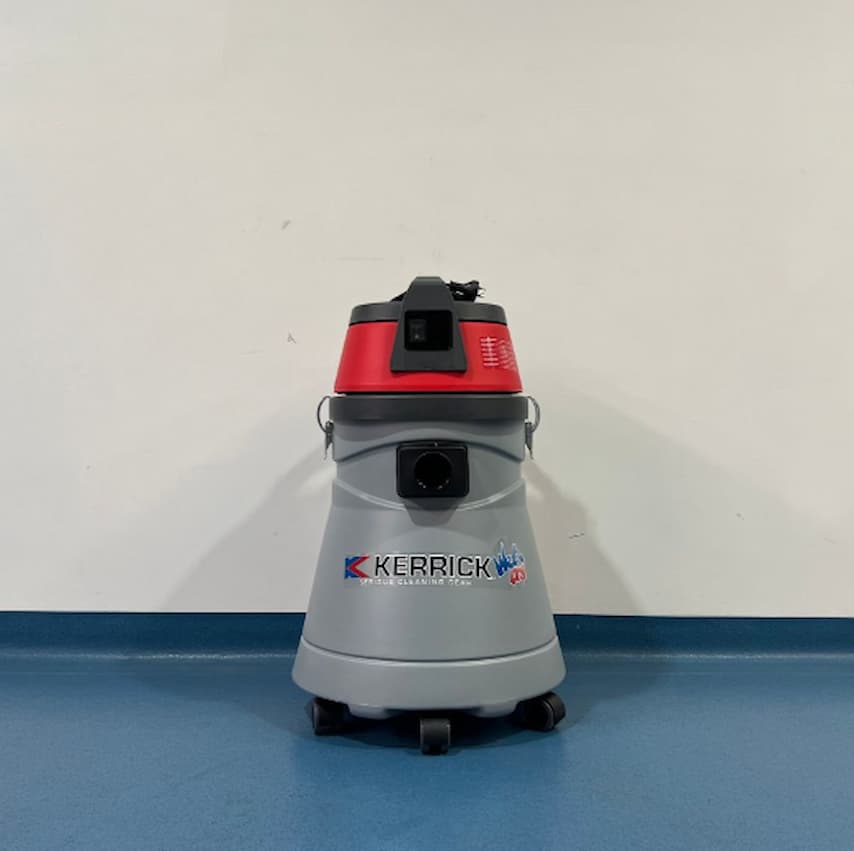
Keeping your facility clean keeps your business name clean. Cleanliness is also a great indicator that you’re protecting your people, clients, machines, and your bottom line. That’s why you should invest in industrial-grade cleaners.
Today, there’s a wide range of industrial cleaning machines available, including powerful industrial vacuum models that pay off in uptime, safety, and efficiency. Having the right ones will improve manufacturing productivity in many ways. Let’s look at some of the most important ones.
Keep Operations Running Smoothly
Downtime can be costly for your business, and debris is often the main cause. Industrial vacuum cleaners pick up on contaminants early, which prevents clogged components, slow performance, and costly breakdowns. All that results in fewer breakdowns, easier maintenance, and more reliable production schedules.
Protecting Employees and Equipment
It would be much easier if dust and fumes just settled on surfaces, but that’s not the case. They end up in the lungs and the machinery and can cause more damage than you think.
That’s why investing in an industrial vacuum cleaner is worth it. Their advanced filters collect the harmful particles before they spread. The payoff is healthier employees, longer-lasting equipment, and compliance with safety standards.
Maintain Precision and Quality
In industries where accuracy is everything, even a speck of dust can cause trouble. For example, in electronics manufacturing, a single particle can damage a circuit board and result in a defect. In this scenario, a specialised vacuum machine can keep the product quality consistent and and protects delicate machinery from overheating or failure.
Speed Up Cleanup
Manual sweeping and scrubbing are slow and labour-intensive. Industrial vacuums handle spills, powders, and debris much faster, which improves productivity significantly. Whether you’re switching batches or handing off to the next shift, cleanup becomes a smooth, natural part of the workflow.
Cut Contamination Risks
For food, pharma, or cleanroom operations, contamination can mean wasted batches, lost revenue, and a damaged reputation. That’s why industrial vacuums equipped with HEPA or ULPA filters will always be a smart investment.
By capturing pollutants right at the source, they put an end to a problem even before it starts. The result is safer products, smoother audits, and the kind of brand trust that keeps customers coming back.
Save on Maintenance Costs
Dust shortens the life of motors and sensors, which means fewer replacements and repair costs. By keeping equipment clean with industrial vacuum cleaners, you cut expenses before they pile up. Over time, you’ll notice that the savings add up to a strong return on investment.
Align with Automation Goals
Automation thrives in clean, efficient environments. An industrial vacuum integrates with robotics and conveyors to cut waste and keep workflows moving. They take care of the mess so your team can focus on other, more important tasks.
Simple to Empty
Nobody wants cleaning the cleaning machines to feel like another chore. Industrial vacuums are designed to be emptied in a way that is quick and easy.
On top of that, engineers thought about stopping dust from escaping during emptying, optimising even the smallest details to make the process cleaner and easier. Still, if you’d rather not deal with it at all, you can even have a service handle the disposal for you.
Industrial vacuum systems create a safer, smarter, and more cost-effective workplace. With fewer breakdowns, healthier employees, and smoother operations, you’ll see the benefits every day. It’s one of those investments that keeps paying you back.
The Different Types of Industrial Vacuums
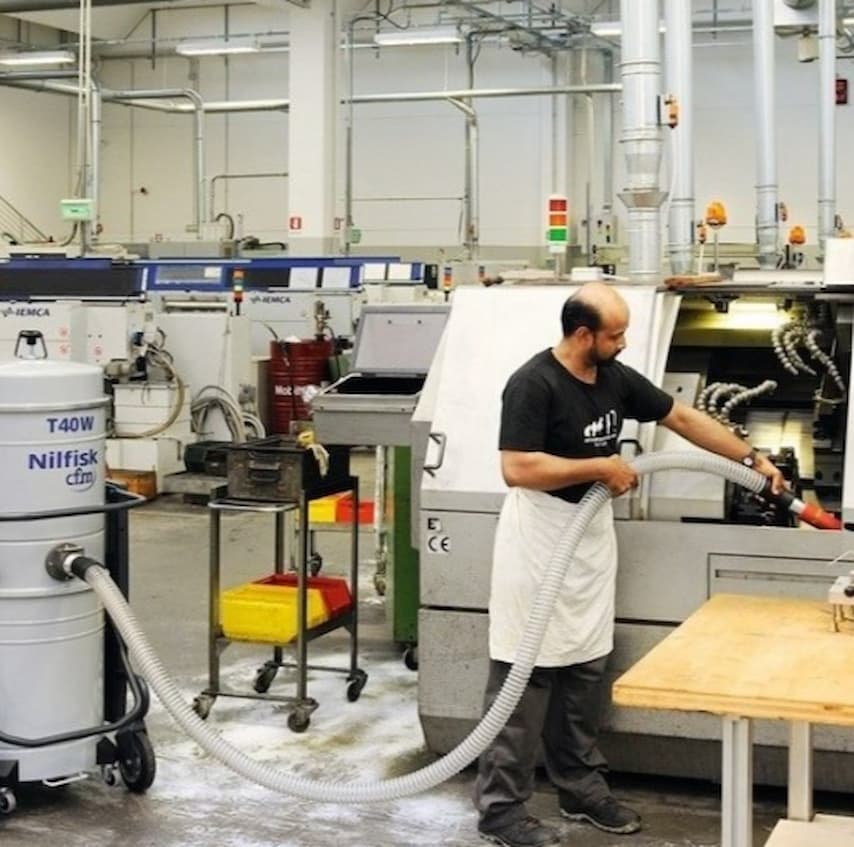
There are several types of industrial vacuums, and they are all designed for different jobs, such as cleaning up spills, handling hazardous dust, or keeping sensitive areas spotless. Here’s a quick guide to the main options so you can see which one matches the industry requirements and your business best:
- Wet/Dry Vacuums: This industrial vacuum handles both liquids and solids. It works well for food plants, workshops, or construction sites where spills are a common occurrence.
- Centralised Systems: Installed across a facility, these create a system by connecting multiple inlets to one powerful unit. If you have a large factory or a warehouse, opt for these to improve air quality, reduce noise, and save labour.
- HEPA Vacuums: These are known to capture up to 99.97% of particles as small as 0.3 microns. They are great for cleanrooms, healthcare, and electronics manufacturing and other industries where air quality and sterility are crucial.
- Hazardous Material Vacuums: For objects dealing with toxic dust, chemicals, or flammable substances, these vacuums may be the best option out there. Common in pharma, mining, and chemical industries to protect workers and prevent contamination.
- Vacuum Trucks: These are literally specialised vehicles designed for large‑scale jobs like sewer maintenance, tank cleaning, or disaster recovery. They handle sludge, liquids, and hazardous waste effortlessly.
- Portable Vacuums: If you need a compact and mobile option, look for industrial vacuum cleaners Australia-wide and get one that’s easy to move for spot cleaning. They are great for construction sites, automotive shops, or food processing areas where flexibility is key.
- Cyclonic Vacuums: These rely on spinning airflow to separate dust efficiently. They are best used for woodworking or manufacturing, where fine particles are produced in large amounts.
- Explosion-Proof Vacuums: Designed for high‑risk environments with combustible dust or vapours, these vacuums prevent sparks and meet strict safety standards in chemical plants or food processing facilities.
From portable units to full facility systems, there’s an option to meet the needs of every industry. By choosing the right type for your facility, you protect your people, equipment, and the brand’s image while keeping operations running smoothly. In the long run, it’s an investment that pays back every day in cleaner spaces, healthier teams, and more reliable production.